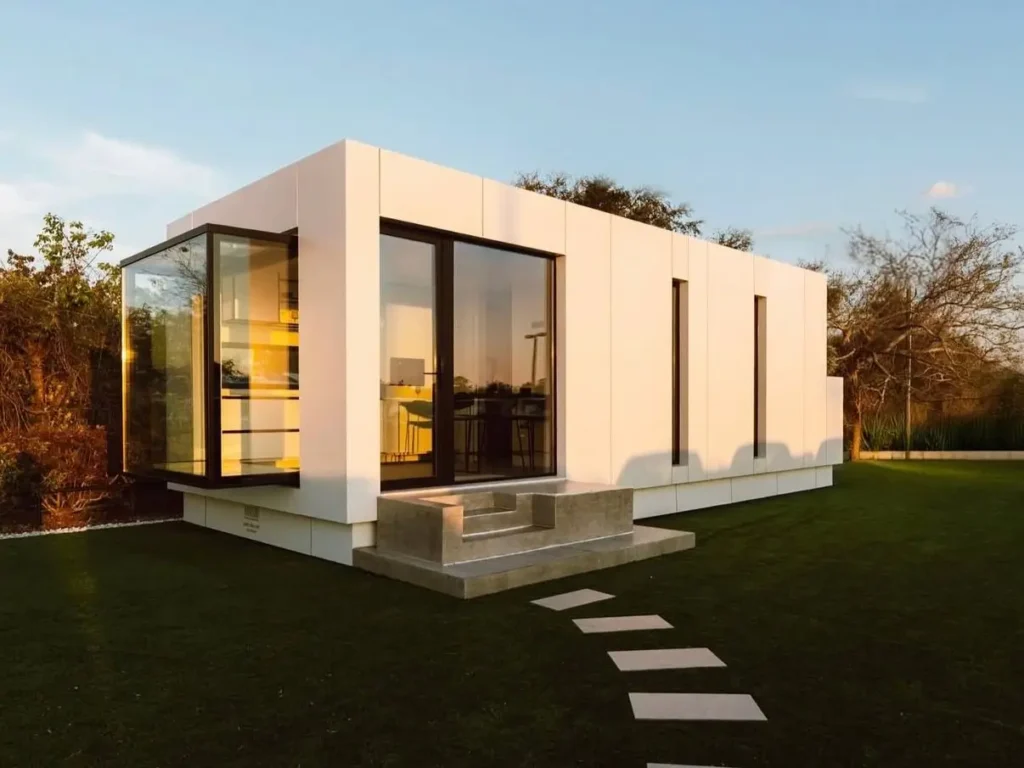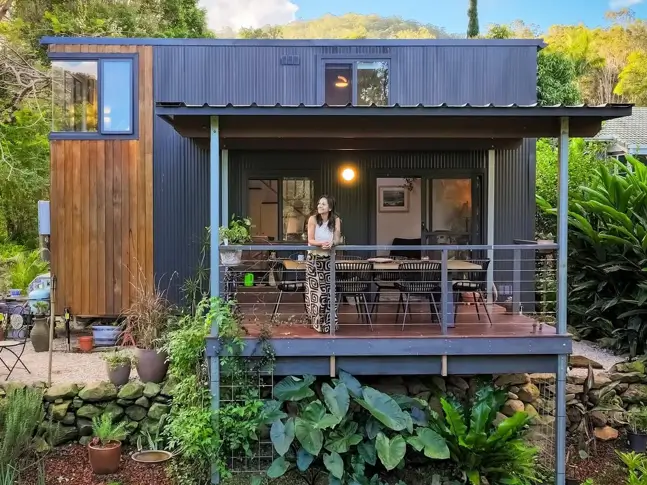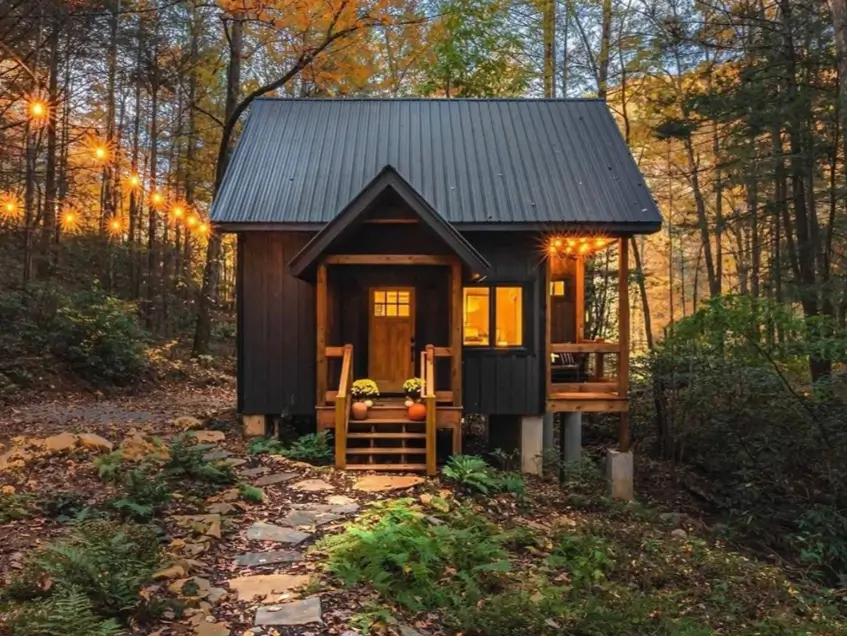

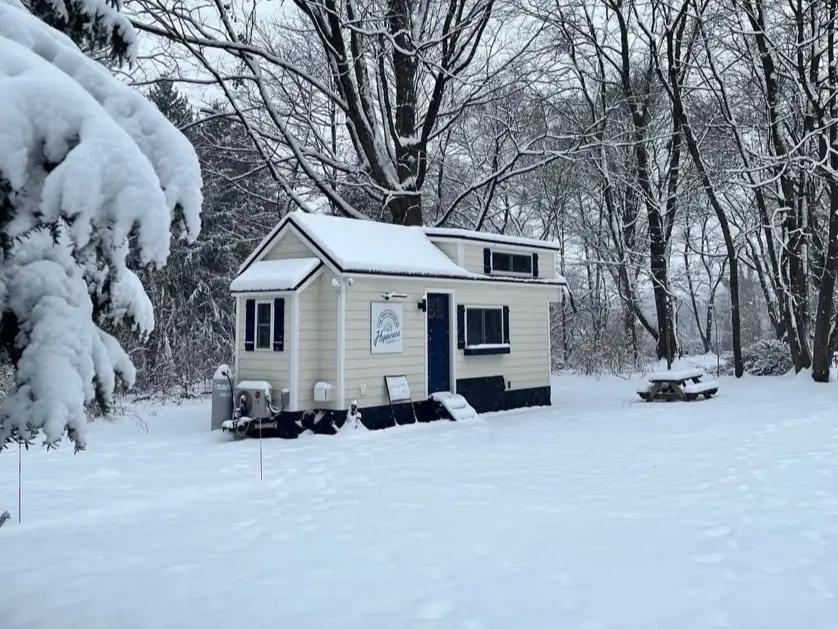
Creating a genuinely cozy tiny house goes beyond simple downsizing. It is the art of crafting a sanctuary that embraces both simplicity and comfort. The allure of a cozy tiny home lies in its promise of an intentional life, a concept at the very heart of the tiny house movement, where every element contributes to a feeling of deep contentment.
Achieving this requires a masterful approach to cozy small house design. Strategic choices in layout, texture, and light must work in harmony to create an atmosphere of enveloping warmth. Ahead, we explore the essential principles that transform a compact space into a personal haven, proving grand style is not dependent on a grand scale.
From mastering a seamless indoor-outdoor flow that expands your small footprint living to cultivating undeniable curb appeal, we will explore every facet of exterior design. Then, we will step inside to reveal how light, texture, and smart space-saving solutions create a truly inviting and cozy tiny home interior.
Key Design Principles for a Cozy Tiny House
- Connect with the Outdoors: Extend your living space with decks, porches, and large windows to create a seamless flow between your home and nature.
- Define Your Personal Style: Use unique architectural details, thoughtful color palettes, and charming accents to give your home a distinct and welcoming personality.
- Master the Interior: Prioritize natural light, incorporate warm textures, and use smart layouts to make the inside feel both spacious and intimately comfortable.
Foundation and Flow: Architecture and Outdoor Connection
The feeling of a cozy home begins with its structure and its relationship to the world outside. A successful design thoughtfully considers its architectural style and creates a seamless connection to its surroundings, effectively expanding the living space beyond the walls.
1. Embrace Forest Bathing

Creating an outdoor extension is fundamental to maximizing a tiny footprint. In this Timber Frame Retreat by Green Mountain Custom Vans, a spacious deck, cedar hot tub, and inviting fire pit craft an enchanting exterior room. This thoughtful cozy small house design creates a seamless transition between the indoor sanctuary and its natural surroundings.
2. Design for an Entertainer’s Flow

Seamless indoor-outdoor connections are a hallmark of sophisticated small space design, perfectly captured in the “Entertaining Abode” by Tiny House Basics. A pass-through service window links the kitchen directly to the deck’s bar top, effortlessly expanding the entertaining space and making the structure feel open and welcoming.
3. Create a Gathering Spot

A stone fire pit serves as the heart of this outdoor space, creating a natural focal point for conversation and connection. Paired with classic Adirondack chairs and ambient string lighting, it transforms a simple gravel patch into an essential extension of the home’s living area.
4. Add a Covered Porch

A covered porch dramatically increases the usable living area of any small home. This design provides a sheltered outdoor room, perfect for dining or relaxing in a hammock regardless of the weather. It is a simple addition that adds immense value to a cozy tiny house lifestyle.
5. Install a Rooftop Terrace

Maximizing vertical space is a brilliant strategy for a compact home. This structure features a rooftop terrace, creating an elevated private retreat with a beautiful view. Combined with a green roof, this design thoughtfully blends the home into its lush garden surroundings.
6. Plant a Lush Garden

Surrounding your tiny home with a vibrant, informal garden creates a private, natural oasis. This design idea uses a wild mix of flowers and plants to soften the modern structure’s clean lines, beautifully integrating the home into its idyllic country setting.
7. Install Glass Walls

A reliable design choice for flooding a cozy tiny home with light is using floor-to-ceiling glass walls that slide completely open. This erases the boundary between inside and out, offering unobstructed views and making the living area feel boundless while still being a sheltered, intimate retreat.
8. Install Folding Doors

Bifold glass doors completely open the front of this compact home, removing the barrier between the interior and the expansive deck. This design choice creates a seamless flow, perfect for entertaining or simply enjoying the feeling of a much larger, open-air living space.
9. Choose an A-Frame Design

The steeply pitched roof of an A-frame cabin creates a naturally cozy and dramatic interior, a style beloved for its classic charm. This modern, dark exterior feels both sophisticated and perfectly suited to its wooded surroundings. Large windows ensure the home is filled with light, balancing its intimate feel.
10. Embrace a Log Cabin Style

The quintessential tiny log cabin is the definition of cozy, offering a timeless rustic appeal. Substantial, rounded logs create a feeling of permanence and security. A colorful metal roof adds a modern touch to the timeless design, crafting the perfect woodland sanctuary nestled deep within the woods.
Character and Curb Appeal: Style and Exterior Details
The personality of a home is expressed through its style, color, and unique details. These elements create curb appeal and transform a simple structure into a memorable and personal statement, proving that even the smallest homes can have a grand presence.
11. Add Rustic Charm

Shepherd’s hut designs bring historical character to modern tiny living. A wood-burning stove provides warmth, while an outdoor hot tub and fire pit create a complete rustic experience. This approach proves a cozy tiny house can feel like a timeless escape from the everyday.
12. Incorporate a Whimsical Small House Design

This cozy small house design proves that charm is a powerful tool. A curved wooden walkway, storybook architecture, and whimsical details create a magical atmosphere. This approach transforms the home into a delightful escape, blurring the line between structure and enchanted garden.
13. Contrast with the Landscape

Selecting a striking exterior color makes the structure a focal point against a changing landscape. This deep green hue provides beautiful, year-round contrast, turning the dwelling into an inviting beacon in any season. The classic wagon design adds a touch of timeless charm.
14. Boost Curb Appeal

Classic cottage elements and a vibrant color choice create an instantly welcoming facade. A crisp white porch railing provides sharp contrast, while tidy landscaping guides the eye to the front door. This thoughtful approach makes for an inviting small home.
15. Embrace Storybook Style

Storybook architecture transforms a simple dwelling into a magical escape. A thatched-style roof and an arched doorway give this cozy tiny house immense character. This whimsical approach creates a one-of-a-kind home that feels both personal and deeply enchanting.
16. Select Tudor Accents

Classic Tudor-style half-timbering lends a sense of history to this mobile home. An ornate wooden door completes the look, creating a structure that feels like a charming English cottage. This architectural choice adds significant character to a compact living space.
17. Choose a Bold Hue

A vibrant exterior color gives this small-scale design a cheerful and confident personality. The warm siding, contrasted with crisp trim, creates a memorable first impression. This approach shows that a compact footprint does not mean shy style.
18. Tell a Story with Color

Natural wood siding provides a beautiful, organic base for bold color accents. In the “Pétrichor” tiny house by Tiny House Baluchon, the striking red metal roof and matching trim were chosen to symbolize renewal. This approach creates a classic yet contemporary look, giving the home a strong and deeply personal story.
19. Use Classic Contrast

Selecting a timeless color palette ensures year-round appeal. The crisp contrast between light siding and dark trim makes this structure a standout feature against the rich colors of autumn, creating a welcoming sight that complements the natural landscape.
20. Add Fairytale Charm

A gambrel roof and a bold, continental color palette give this home an unforgettable personality. The combination of forest green and terracotta red creates a playful yet grounded aesthetic. This approach to cozy small house design feels both timeless and full of character.
21. Install Vaulted Windows

Tall, vaulted windows draw the eye upward, creating a dramatic sense of height and filling the interior with light. This architectural choice adds elegance to a compact design, making the entire structure feel grander than its actual footprint suggests.
22. Add Salvaged Windows

Incorporating salvaged windows infuses a home with instant history and character. The variety of shapes creates a unique, artful facade. This approach fills the interior with warm, inviting light and tells a story of creative reuse.
23. Add Playful Color

Do not be afraid to use bold color. Bright window frames and a turquoise door add a playful, energetic touch to the modern wood siding. This approach infuses this dwelling with personality, making it truly one-of-a-kind.
The Inner Sanctum: Creating a Cozy Tiny Home Interior
Inside a tiny home, every design choice has a significant impact. The interplay of light, the richness of textures, and the intelligent use of space are what ultimately cultivate a deep sense of comfort and create a cozy tiny home interior that feels both intimate and open.
24. Frame the View

Thoughtful window placement transforms a simple wall into a living work of art. This large, fixed window frames the forest view perfectly, creating a serene backdrop for the sleeping area. It floods the cozy tiny home interior with natural light while maintaining a sense of peaceful enclosure.
25. Showcase Natural Wood

Exposed wood beams and a vaulted ceiling draw the eye upward, creating a sense of spaciousness in a narrow layout. The consistent use of natural wood tones crafts a cohesive and deeply warm environment, an essential element for a truly cozy tiny house.
26. Install a Skylight

A skylight dramatically opens up a room, flooding the space with beautiful, natural light from above. In this sunlit kitchen, it highlights rich textures and nourishes abundant indoor plants, creating an atmosphere that feels both airy and grounded.
27. Integrate a Sleeping Loft

Sleeping lofts are a classic tiny house feature, effectively doubling the usable floor space. This design separates private sleeping quarters from the main living area below, creating a cohesive and inviting atmosphere throughout the entire cozy tiny home.
28. Use a Light Palette

A proven strategy for a serene atmosphere is using an all-white interior accented with light wood. White shiplap walls reflect natural light, making the narrow space feel open and bright. This minimalist approach proves a cozy tiny house can feel both spacious and incredibly tranquil.
29. Panel with Plywood

Using light plywood for all interior surfaces creates a seamless, serene environment. This minimalist approach wraps the space in a warm, consistent wood grain, providing a modern take on a cozy tiny home interior. Textural lighting and soft furnishings prevent the design from feeling stark.
A cozy tiny house is ultimately a celebration of intentional living. By thoughtfully combining smart architectural choices, a personal sense of style, and a mastery of interior elements like warm textures and smart storage, you can craft a compact space that feels boundless in comfort. These ideas prove that thoughtful design, not square footage, is the true key to creating a cozy tiny home you love.
FAQs
How do you make a tiny house feel cozy without clutter?
The key to a cozy tiny house is a balance between warmth and minimalism. Focus on multi-functional furniture with built-in storage. Use soft textures like knit blankets to add warmth, not bulk. Finally, curate your decor by displaying only a few meaningful items.
What colors make a tiny home feel cozy?
Warm, nature-inspired palettes work beautifully in a cozy small house design. Think of soft whites, warm greys, sage green, and deep blues. These colors create a serene backdrop. Do not be afraid of a darker accent wall to create an enveloping, den-like feeling.
How can you make a tiny house feel spacious yet cozy?
Maximize natural light by keeping window treatments minimal, and use mirrors to create an illusion of depth. A cohesive, light color palette on the walls and ceiling will make the space feel open, while selecting furniture with a smaller scale prevents the cozy tiny home from feeling crowded.
What is the best layout for a cozy small house design?
The best layouts are open-concept but use clever zoning. Define the living area with a rug, use a peninsula for the kitchen, and place the sleeping loft at one end. This approach maintains an airy feel while ensuring every zone in your cozy tiny home has a clear, functional purpose.
Last Updated: December 14, 2025 4:34 PM