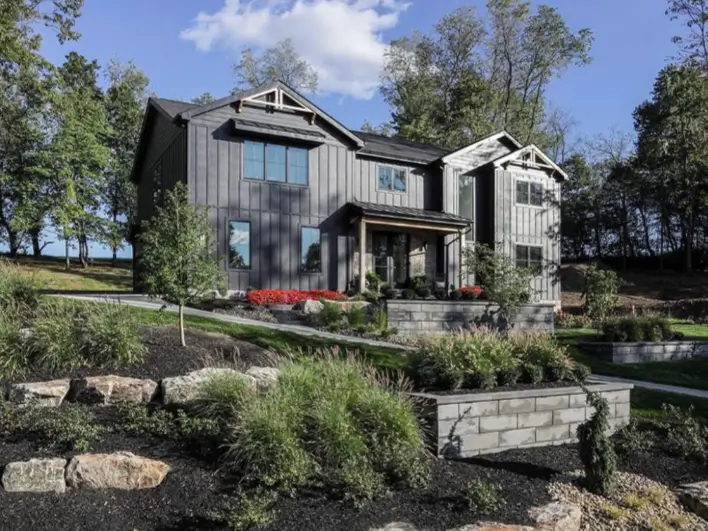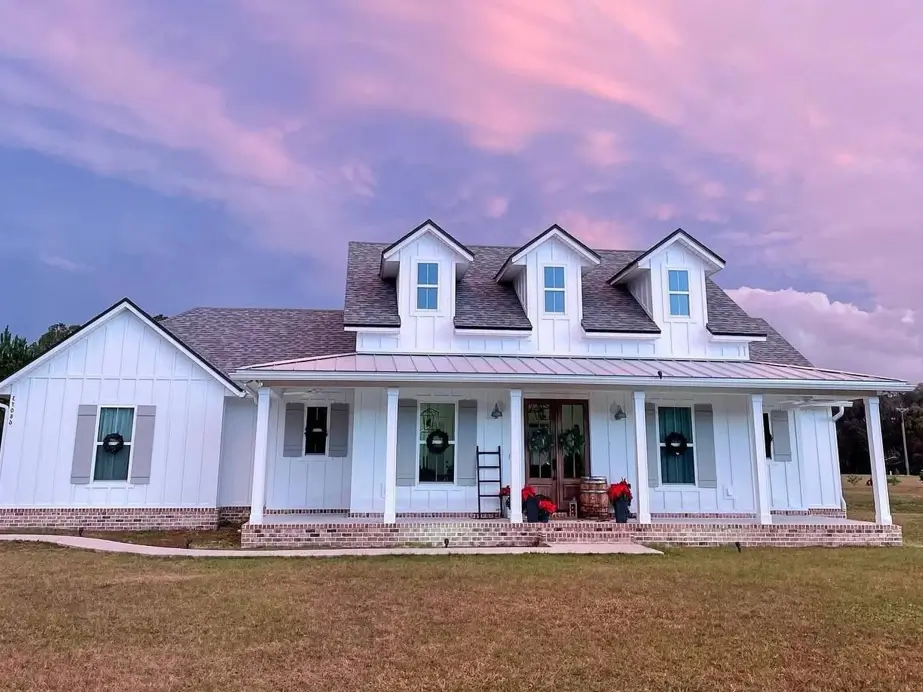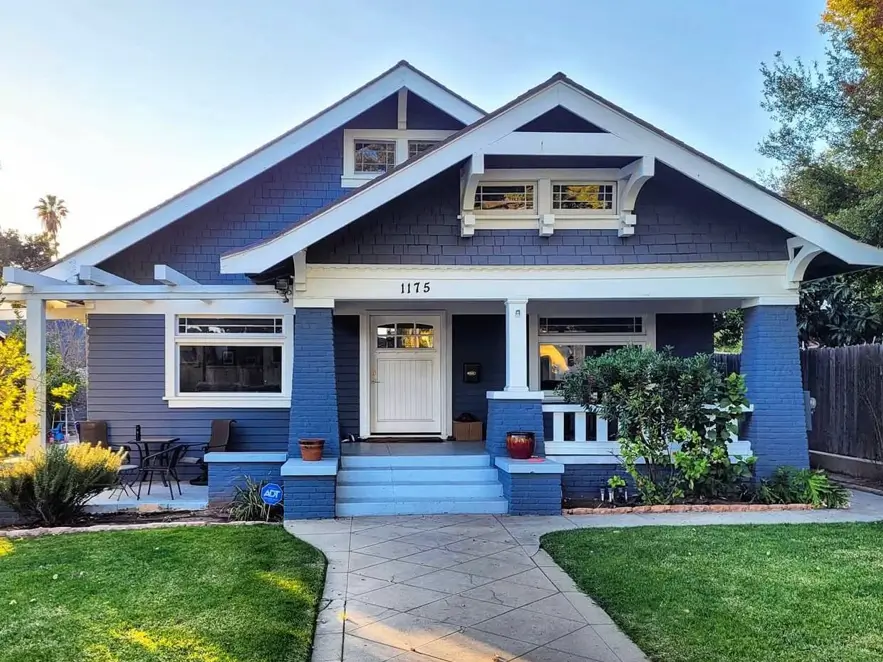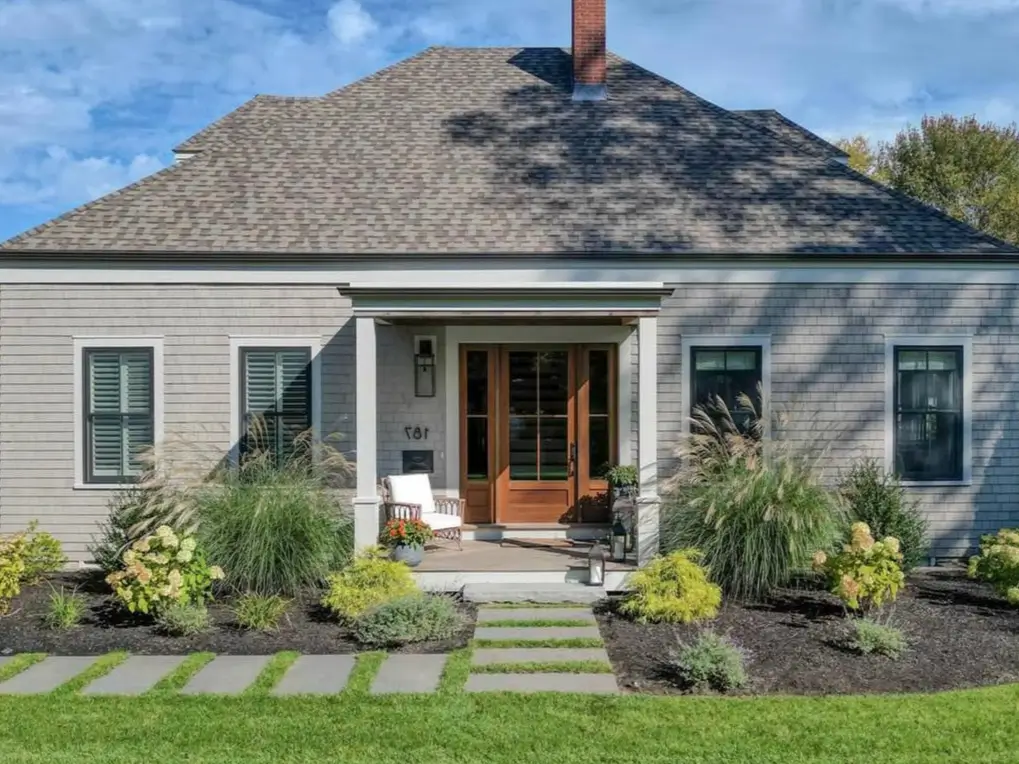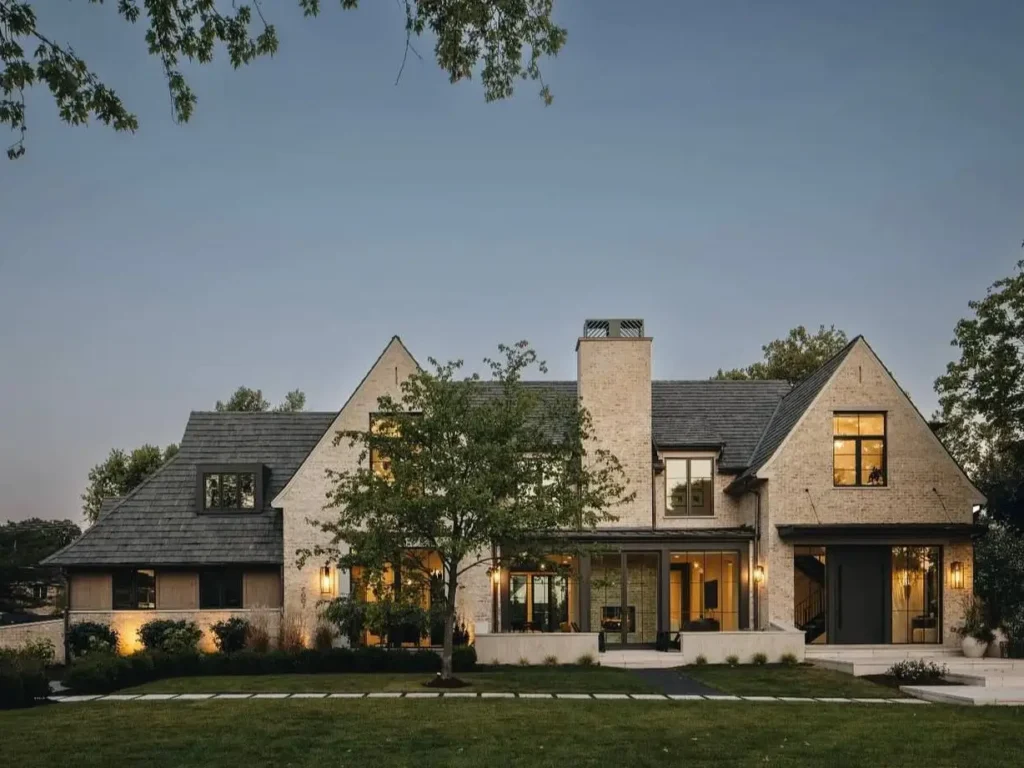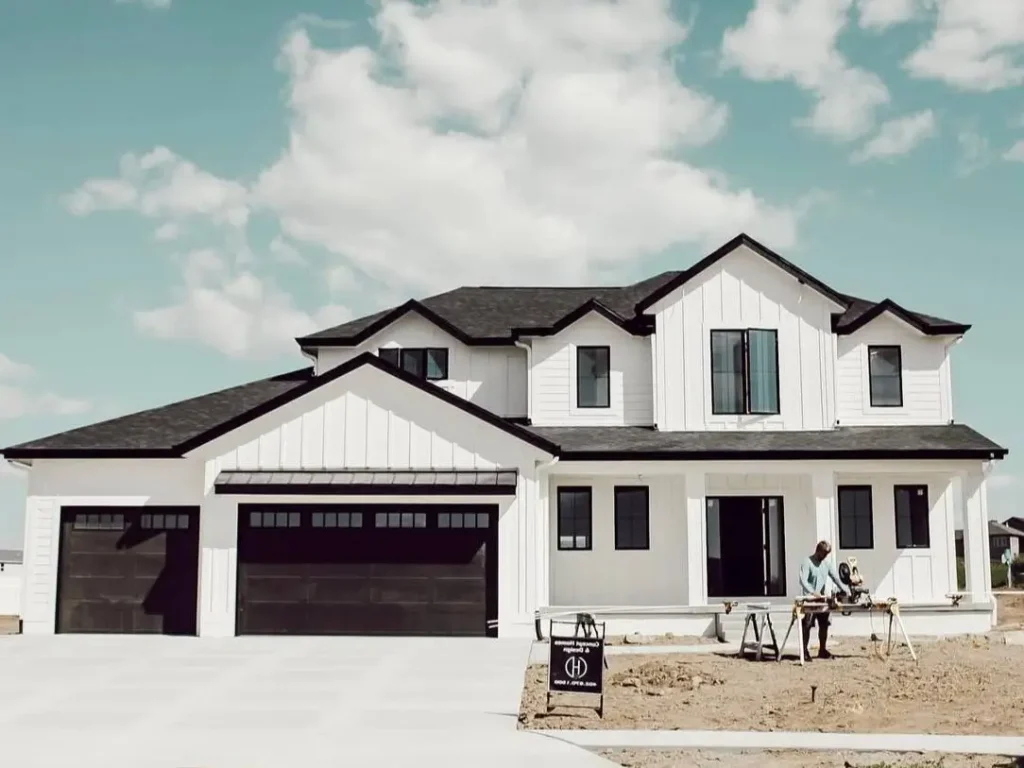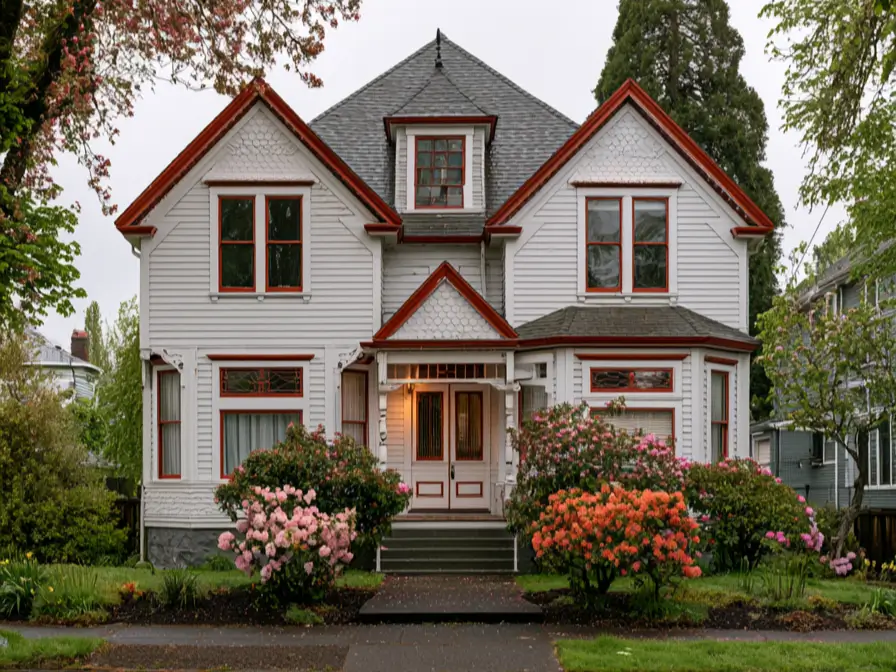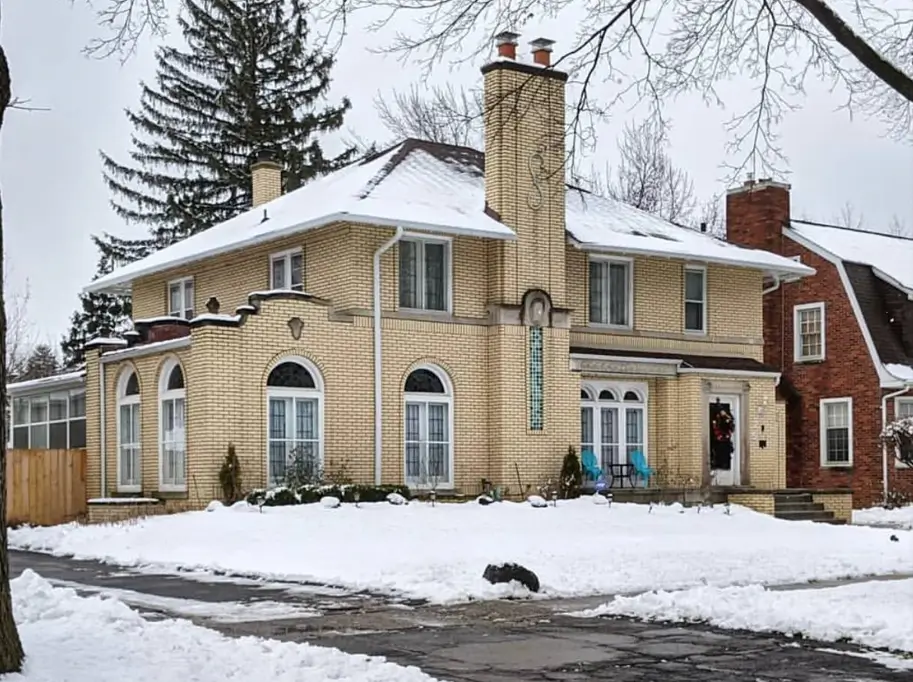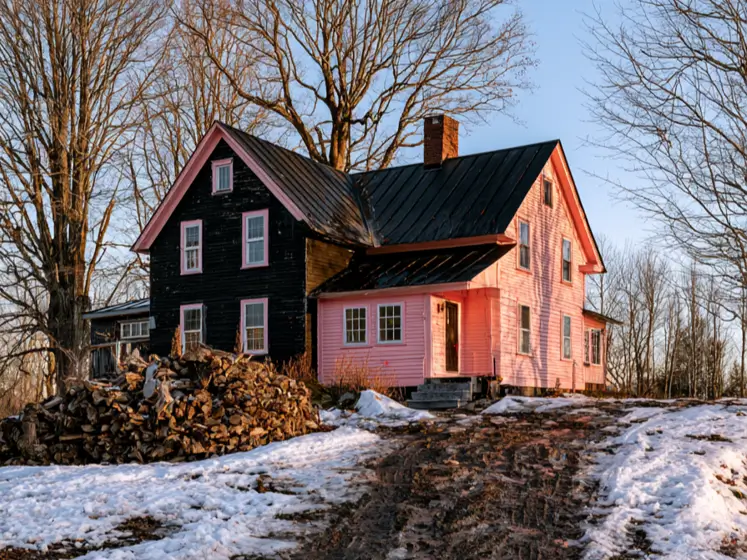

Choosing the right exterior material is one of the best ways to elevate the curb appeal of any home. While horizontal siding is the standard choice, switching to the vertical lines of a house with board and batten siding instantly changes how a home sits in its landscape, often making it feel taller and more substantial.
The real difference lies in the way it handles light. Because the narrow strips sit on top of wider planks, the facade catches the sun to create shifting shadows throughout the day. It brings a sense of texture and history to the walls that flat panels just can’t replicate.
This board and batten house exterior look appears most often on modern farmhouses, but it works well on cozy cottages and sharp contemporary builds too. Read on to gather inspiration from 26 of our favorite designs. Many of these offer a low-maintenance siding solution that balances timeless charm and durability, making an exterior feel finished and intentional without looking busy.
Why Vertical Siding Changes the Feel
Board and batten is a siding style that uses alternating wide planks and narrow strips to create a distinctive vertical profile. It is frequently used to fix visual proportions.
Because the vertical lines add height visually, it tricks the eye into seeing a structure as higher than it actually is, which helps shorter ranch-style homes feel grander.
It also adds a layer of depth that flat panels lack; the “batten” strip catches the light, creating a rhythm of shadows that changes throughout the day. It helps a modern board and batten exterior feel crafted and intentional, rather than just being a surface covering.
Playing with Proportions
One detail that changes the “vibe” instantly is the spacing between the battens. Spacing the battens further apart—say, 16 inches or more—makes the exterior feel cleaner and more contemporary, allowing the wide planks to breathe.
This wider spacing is a hallmark of a modern board and batten exterior. Conversely, tighter spacing (around 8 to 12 inches) tends to look busier and more historic.
Changing this spacing lets you shift between modern and more traditional looks, offering a highly personalized aesthetic. If you are looking for that familiar, balanced look, a classic setup often pairs 10-inch boards with 2-inch battens.
26 Ideas for a House with Board and Batten Siding
1. Mixed Board and Batten Siding
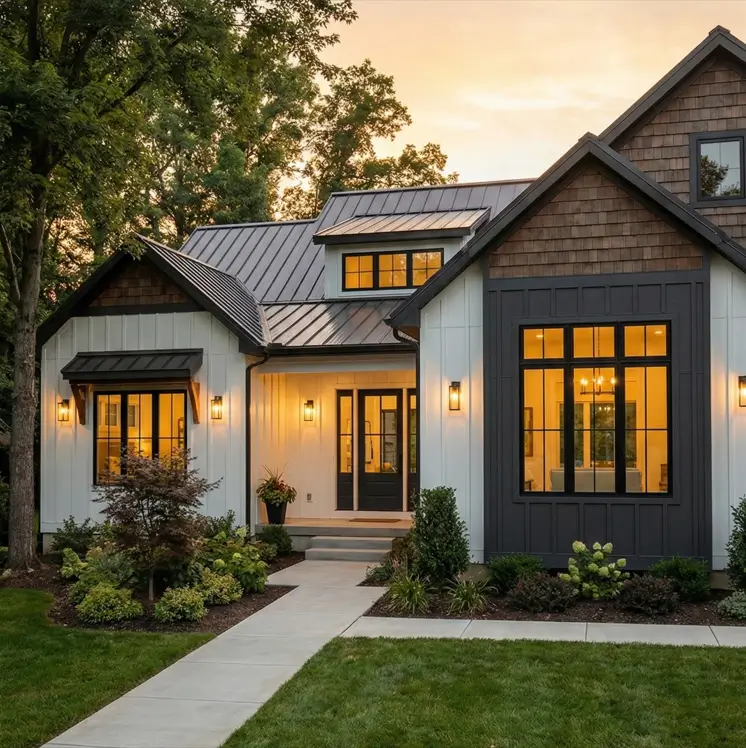
Mixing siding types creates depth without overwhelming the facade. Here, the home combines crisp white board and batten with warm cedar shakes and dark accent panels. The result reads as a perfect blend of tradition and modernity, offering a balanced and inviting curb appeal.
2. Navy Board and Batten
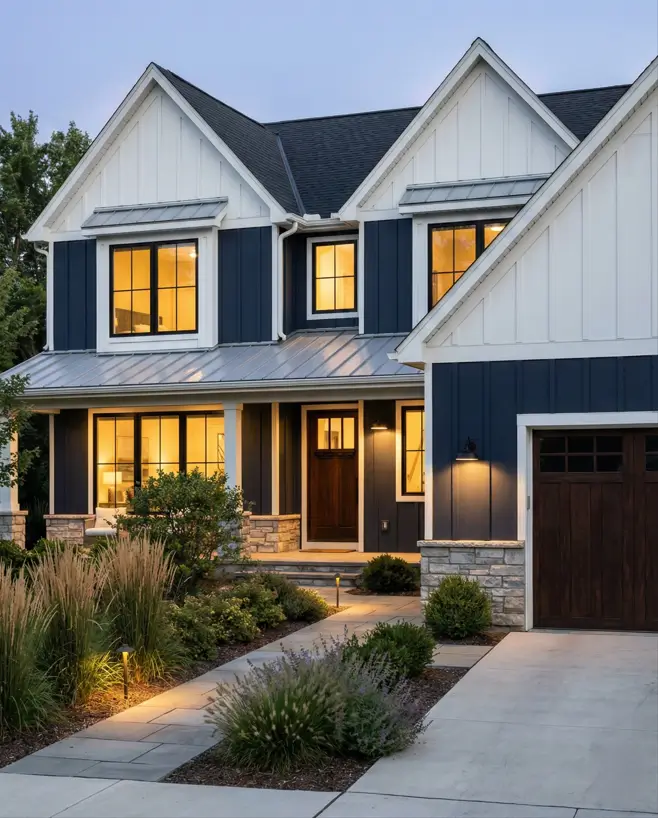
High-contrast color palettes often give traditional siding a fresher look. On the exterior, this house with board and batten siding pairs deep navy vertical planks on the lower level with bright white gables above. It comes across as sharp and tailored, helping to visually break up the height of the facade while highlighting the architectural peaks.
3. Golden Trim Accents
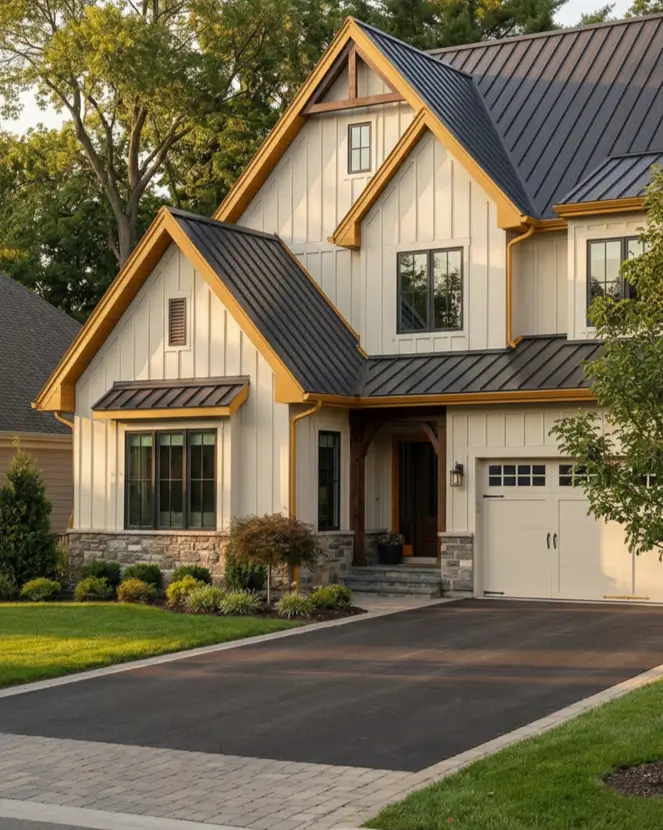
Unexpected color choices often turn a standard exterior into something memorable. This board and batten house exterior frames its white panels with bold golden-yellow trim along the gables and roofline. It brings a cheerful, sunny energy to the facade that feels completely unique compared to typical black or wood finishes.
4. Dark Siding and Timber
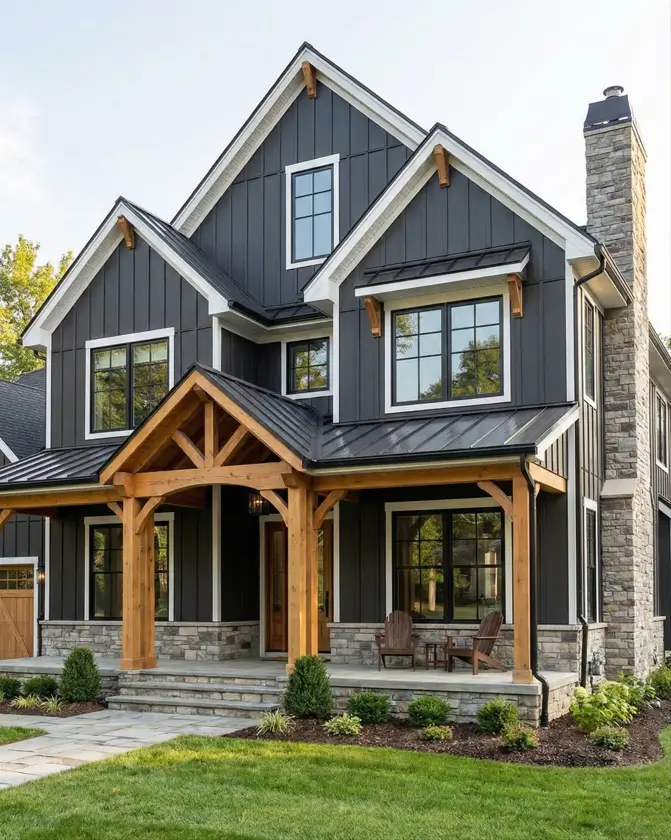
Deep charcoal tones often bring a sense of modern drama to an exterior. Paired with chunky natural timber posts and stone details, these dark vertical planks create a striking balance. The contrast keeps the facade feeling grounded and approachable, despite the bold color choice.
5. Sage Green Exterior
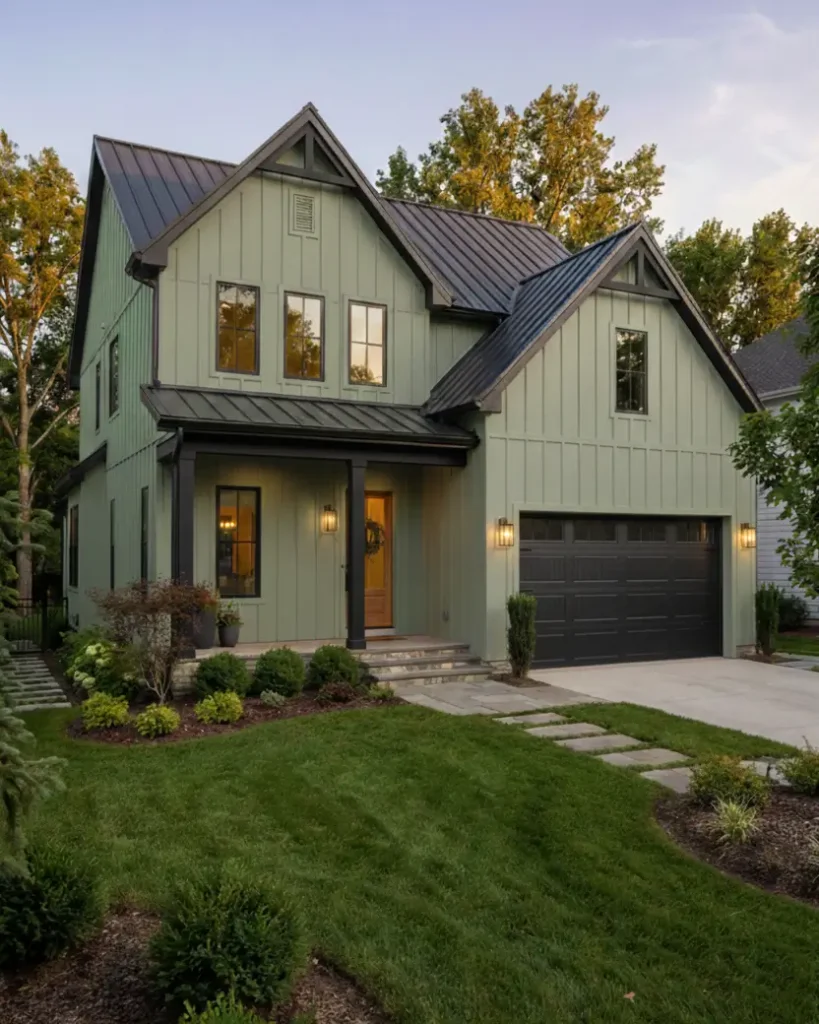
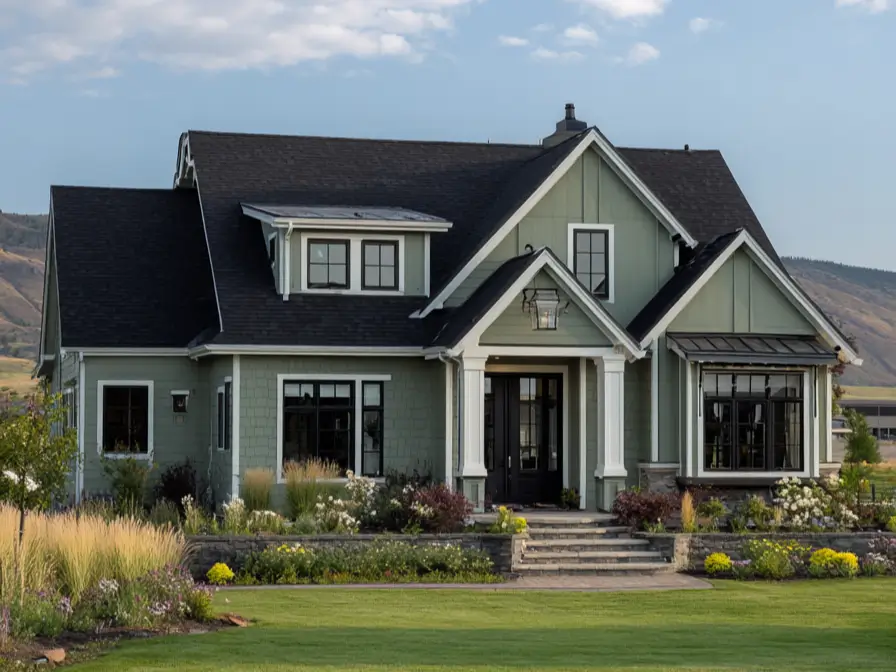
Earthy hues help a modern structure sit quietly in its landscape. This board and batten exterior color is finished with a muted sage green that connects naturally with the surrounding trees. It reads as organic and restful, offering a soft alternative to stark black or white.
Related: 45 Sage Green Houses with Black Trim for Timeless Curb Appeal
6. Charcoal Cottage Exterior
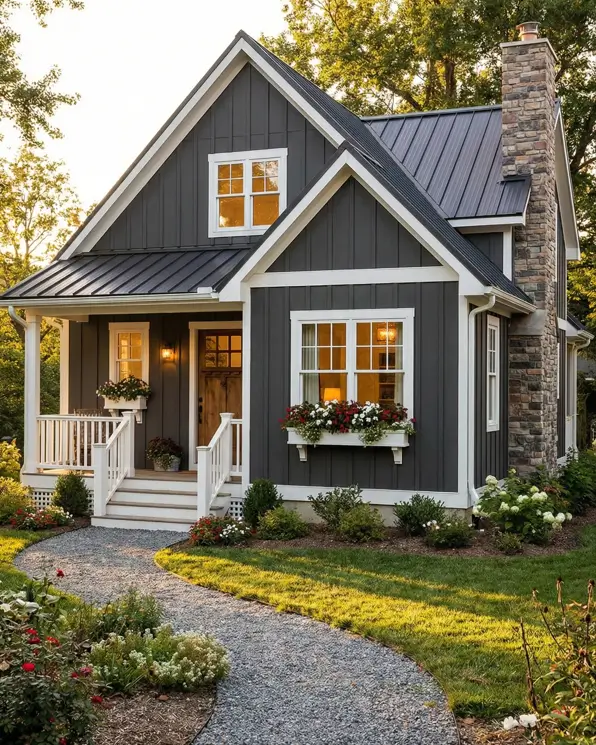
Small footprints often benefit significantly from vertical siding lines. In this home, the exterior with board and batten siding uses dark gray planks and bright white trim to create a cozy, informal appearance without feeling cramped or heavy.
7. Natural Wood Exterior
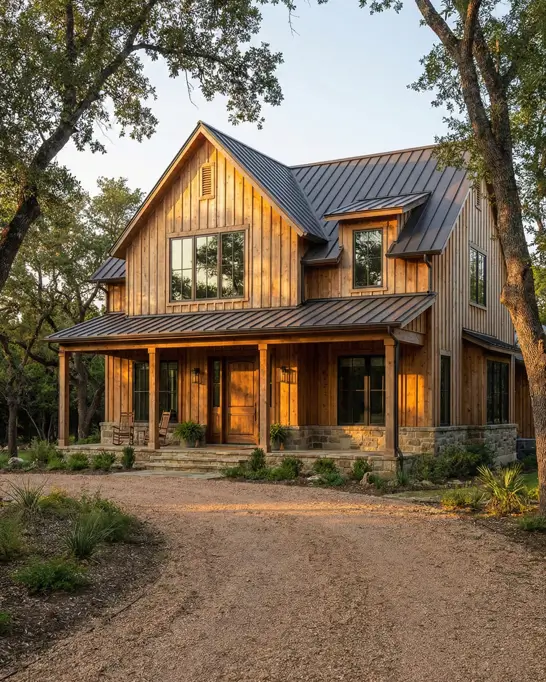
Unpainted timber brings an earthy, organic quality that paint often hides. Rather than covering the grain, this board and batten house exterior balances the natural wood against a dark metal roof. It feels grounded and serene, adding immediate warmth to the setting, though it does need regular sealing to maintain that rich, authentic tone against the elements.
8. Barn Red Exterior
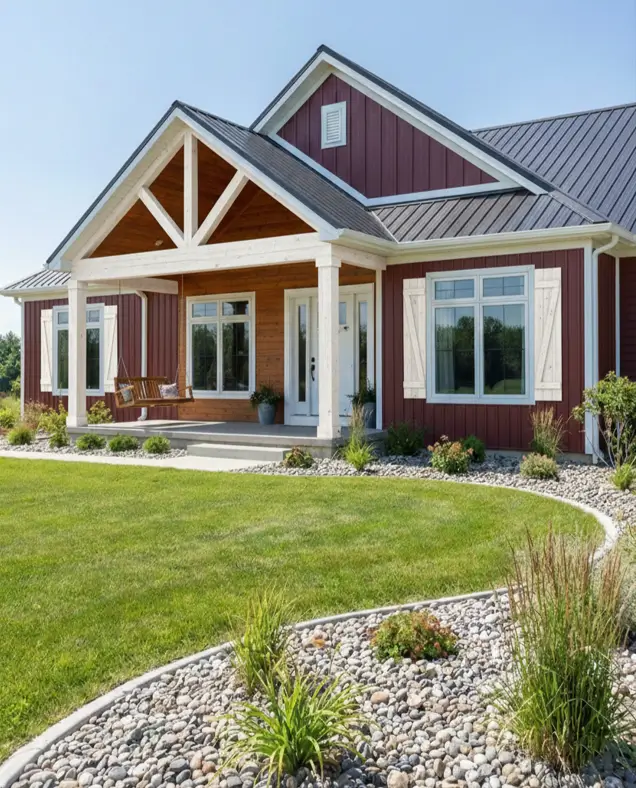
Classic barn aesthetics often find a place in contemporary design. The home is clad in a deep red finish contrasted by bright white shutters and cedar trusses. It feels nostalgic yet cheerful, bringing distinct character to the streetscape.
9. Timber Porch Accents
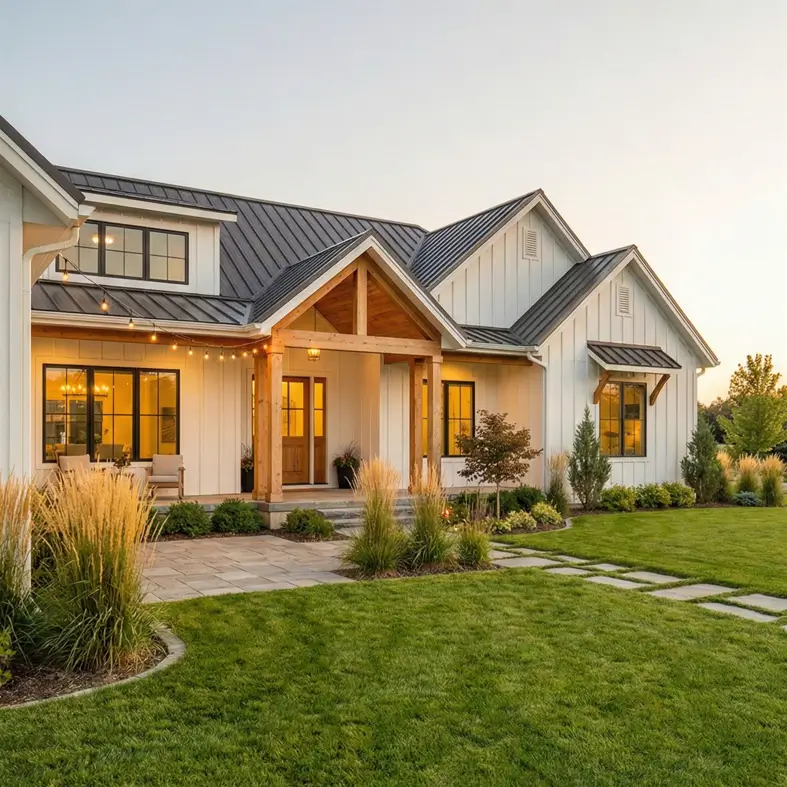
Pairing bright white vertical planks with heavy timber creates an instant focal point. Here, this house with board and batten siding adds a natural wood portico framing the entrance. It feels warm and inviting, especially when lit by string lights in the evening.
10. Modern Wood Accents
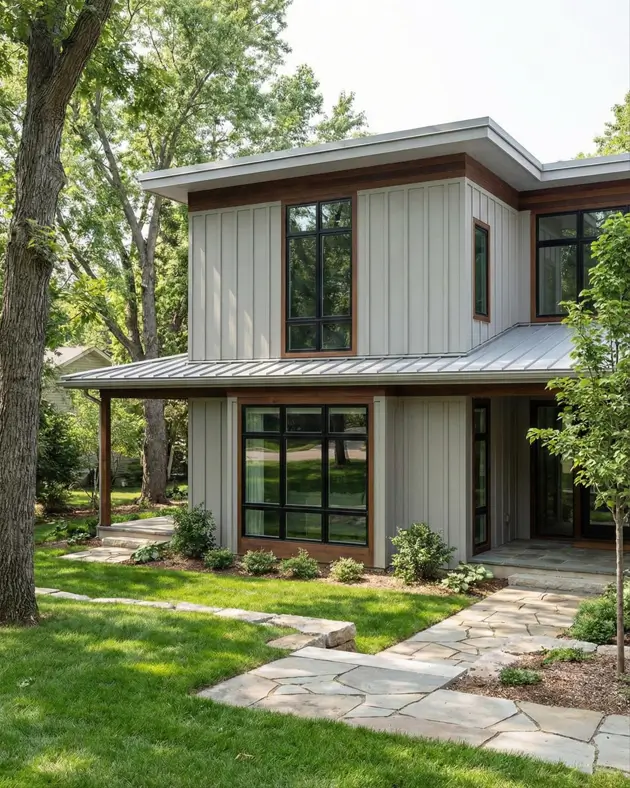
Streamlined architecture often relies on material contrast to create visual interest. The modern design combines light gray panels framed by warm wood fascia and window trim. The combination softens the sharp angles, making the structure feel organic and connected to the outdoors.
11. Earthy Modern Exterior
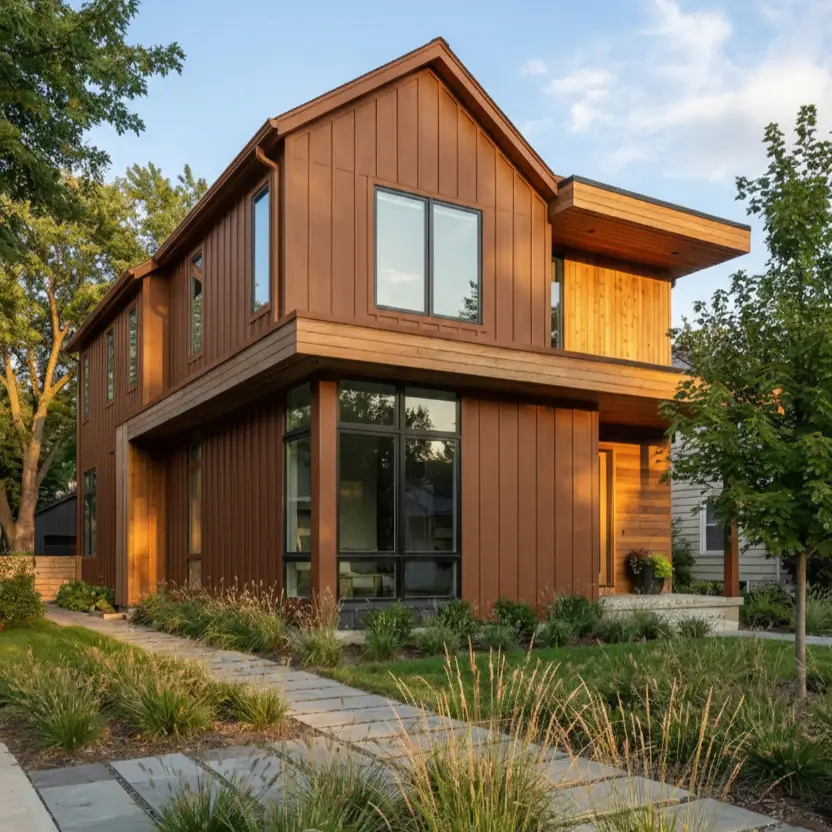
Deep tones are a sophisticated board and batten exterior color choice that anchors a modern home to its setting. The facade uses a rich brown finish that emphasizes clean lines and timeless appeal. It comes across as sophisticated and grounded, proving modern design can look organic rather than cold.
12. Blue Board and Batten
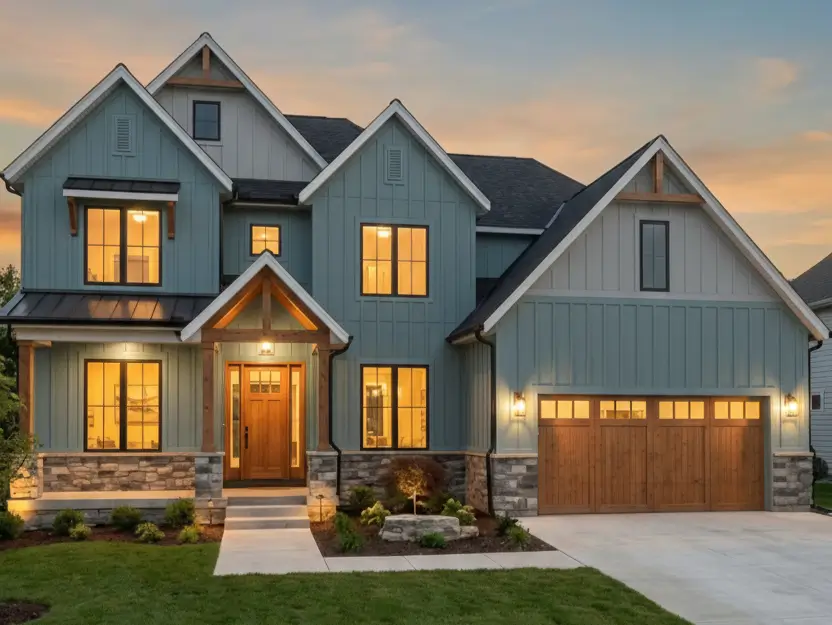
Soft blue hues can make a large home feel approachable rather than imposing. The home pairs a calming slate blue with warm cedar garage doors and stone skirting. It creates a friendly, neighborhood feel that stands out without being too loud.
13. Cedar Pergola Accent
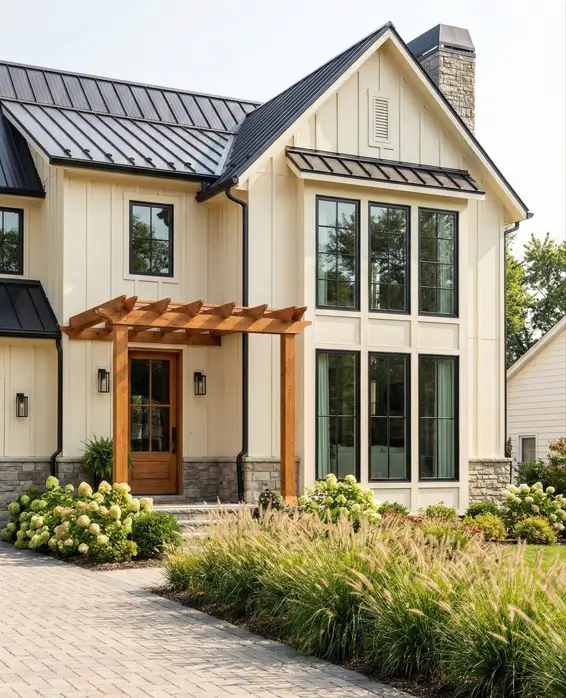
Simple structural additions often change the entire feel of an entry. In this home, the exterior with board and batten siding includes a warm cedar pergola contrasting against crisp white panels. It brings a custom, architectural quality that feels inviting and intentional without needing a heavy porch roof.
14. Bold Trim Contrast
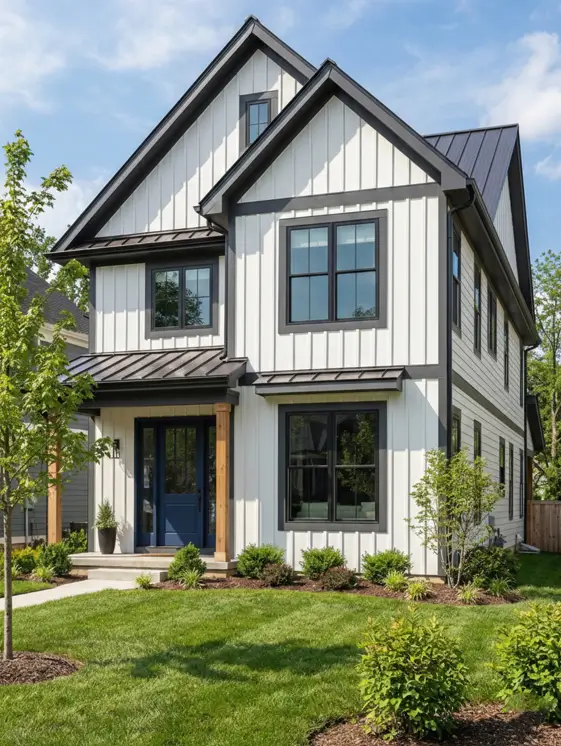
Defining edges with dark color sharpens the whole look. On the exterior, thick charcoal trim outlines the white facade, guiding the eye to a vibrant blue door. It creates a crisp, graphic presence that feels modern and playful.
Related: White Farmhouse With Black Trim: 34 Ideas for a Timeless Exterior
15. Rustic Texture Mix
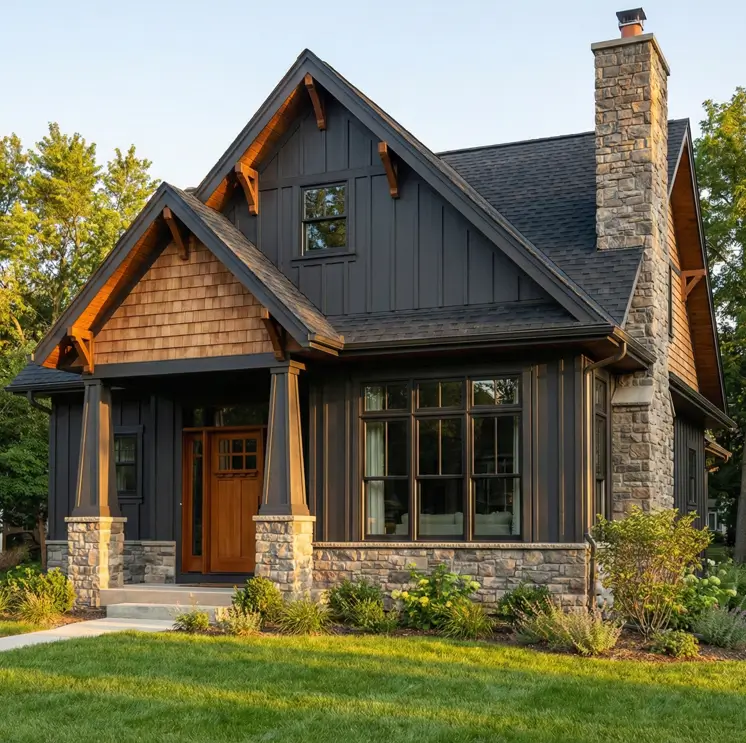
Layering different materials adds significant depth to a dark facade. The rustic design combines moody charcoal planks with warm cedar shakes and a rugged stone chimney. It feels substantial and rooted, balancing modern lines with a cozy, lodge-like atmosphere.
16. Slate Blue Facade
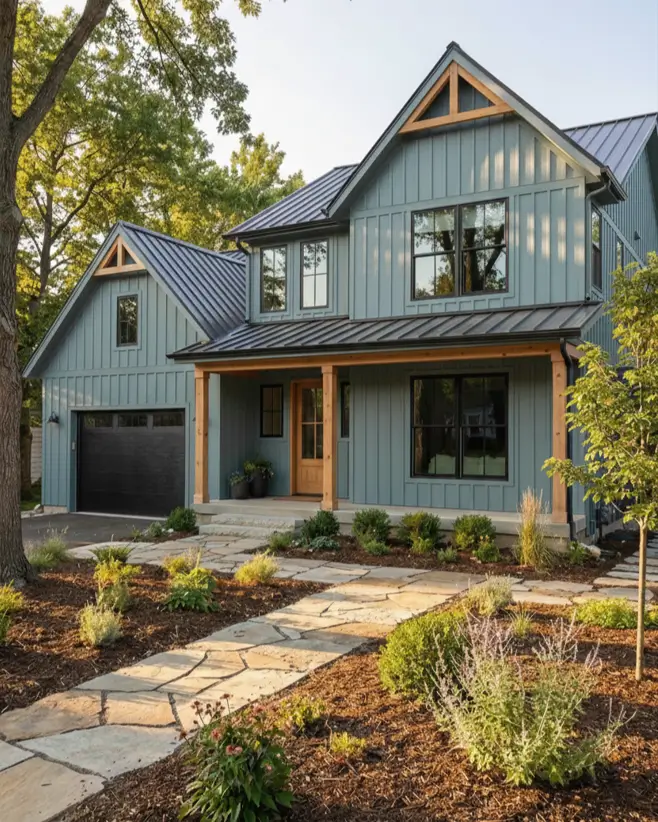
Cool tones often benefit from natural elements to keep them feeling grounded. Paired with rich cedar gable trusses and porch posts, the muted slate blue planks strike a lovely balance. It creates an exterior that will keep its curb appeal for years to come—a timeless board and batten exterior color option for wooded lots.
17. Sunny Yellow Exterior
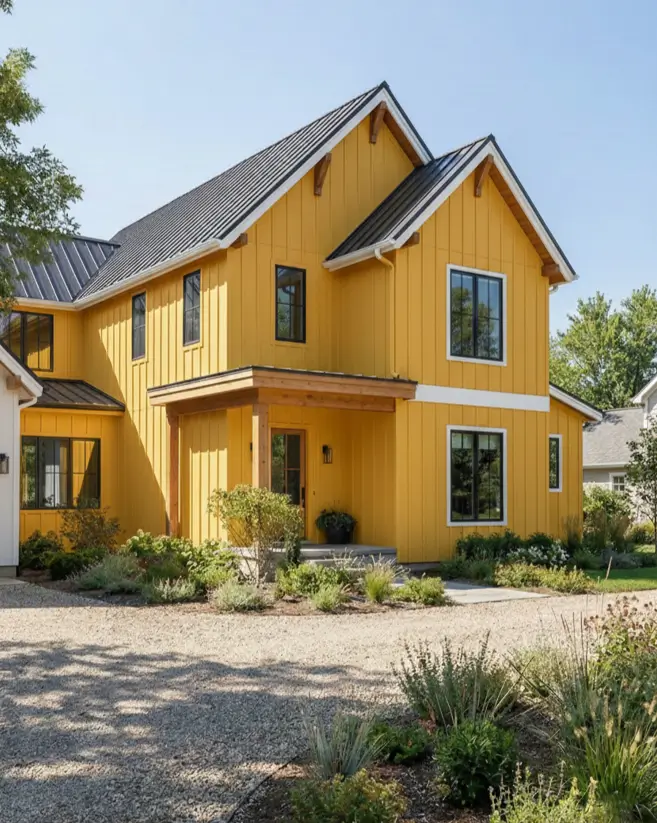
Vibrant colors completely change how we perceive a traditional form. This sunny board and batten exterior color scheme is finished with a cheerful mustard yellow finish paired with crisp white bands and dark rooflines. It feels incredibly sunny and optimistic, making a standard farmhouse silhouette look like a standout landmark on the street.
18. Warm Taupe Siding
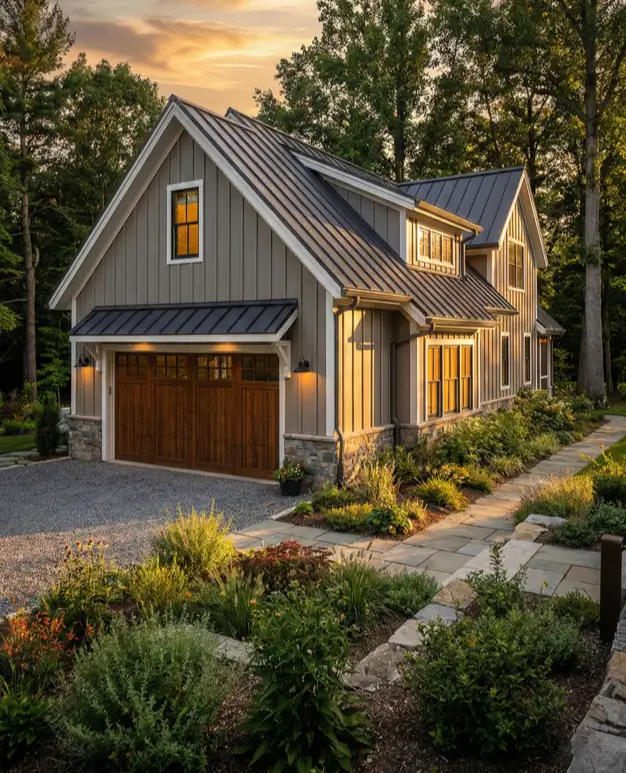
Earthy neutrals often bridge the gap between rustic and refined styles. This board and batten house exterior relies on a warm taupe finish that pairs beautifully with rich wood garage doors. It creates a soft, welcoming look that feels perfectly at home in a wooded setting.
19. Rustic Two-Tone Facade
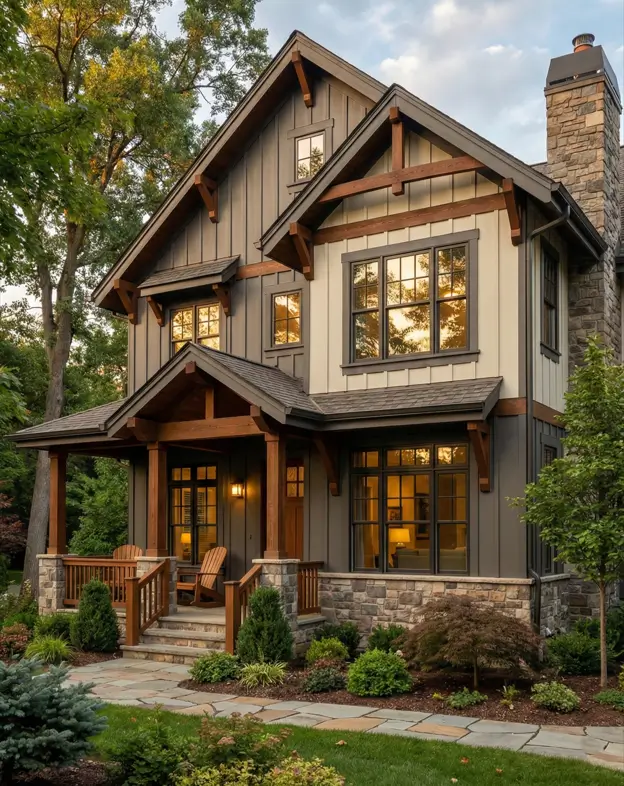
Designing a two tone board and batten exterior helps break up the visual mass of a large home. The exterior mixes moody charcoal planks with lighter cream sections and heavy timber trusses. It feels architectural and crafted, balancing rugged materials with clean vertical lines.
20. Red Door Accent
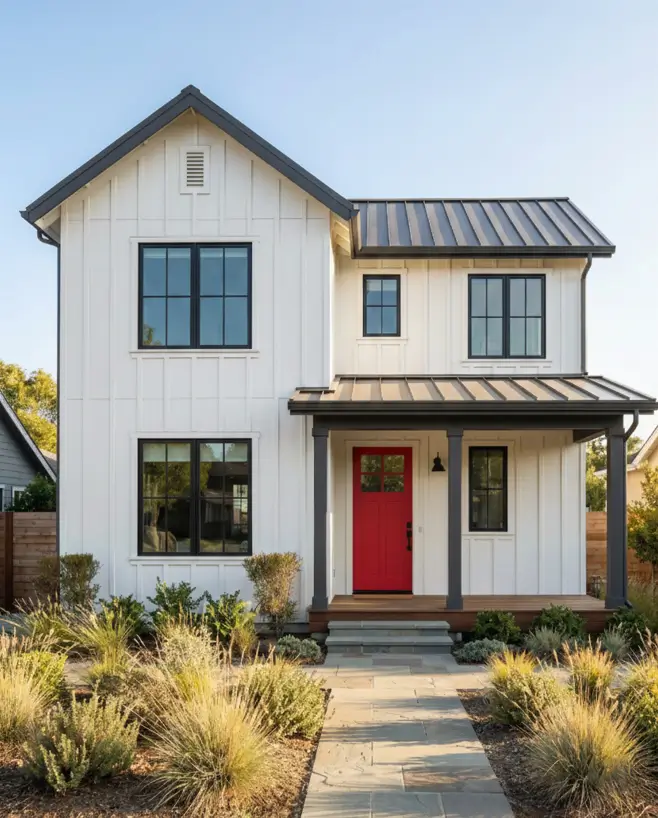
Color focuses the eye exactly where you want it to go. Here, the house with board and batten siding uses a bright red door to warm up the crisp white facade. It creates a cheerful, classic welcome that feels personal without changing the clean, modern look.
21. Tiny House Exterior
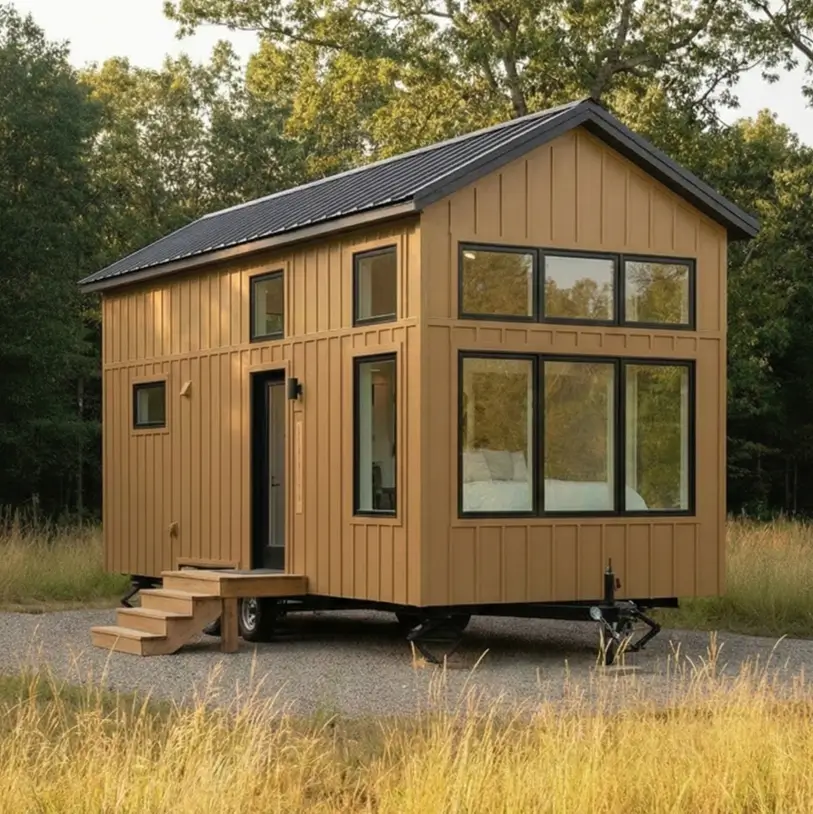
Vertical lines often make compact structures appear much taller than they actually are. The tiny house with board and batten siding uses a warm mustard finish to define its modern shape against the landscape. It feels adventurous and intentionally designed, proving it’s not just a siding choice, it’s a design statement.
22. Bold Red Exterior
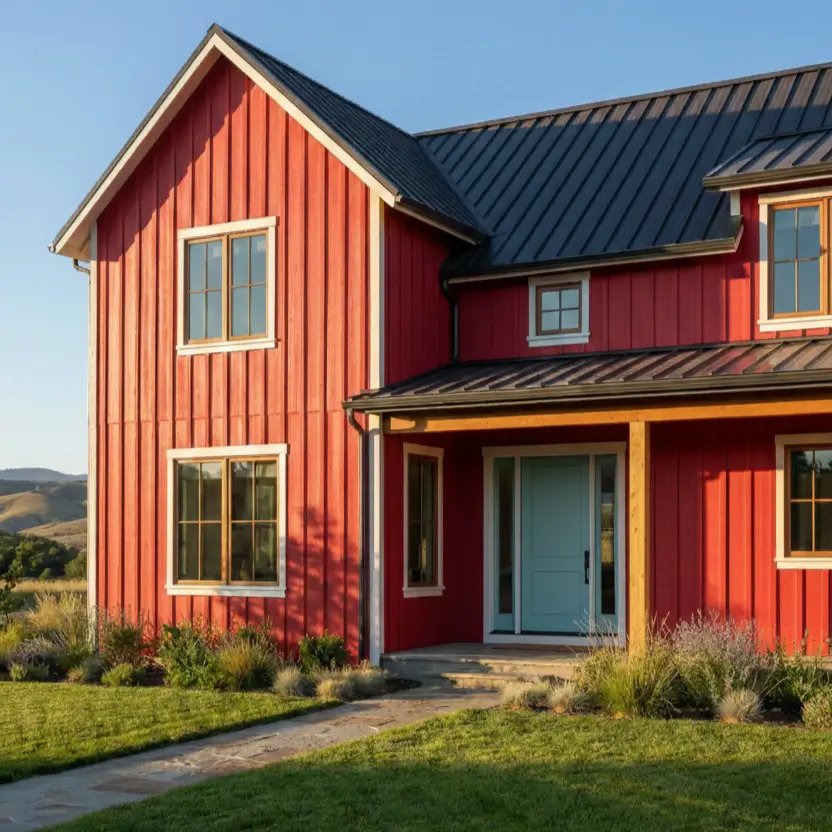
Bold color choices instantly give a home personality. The bold facade pairs a vibrant barn red finish with a surprising light blue front door, a popular choice for those wanting to stand out. It creates a cheerful, spirited look that feels confident and welcoming, standing out beautifully against the green landscape.
23. High Contrast Cottage
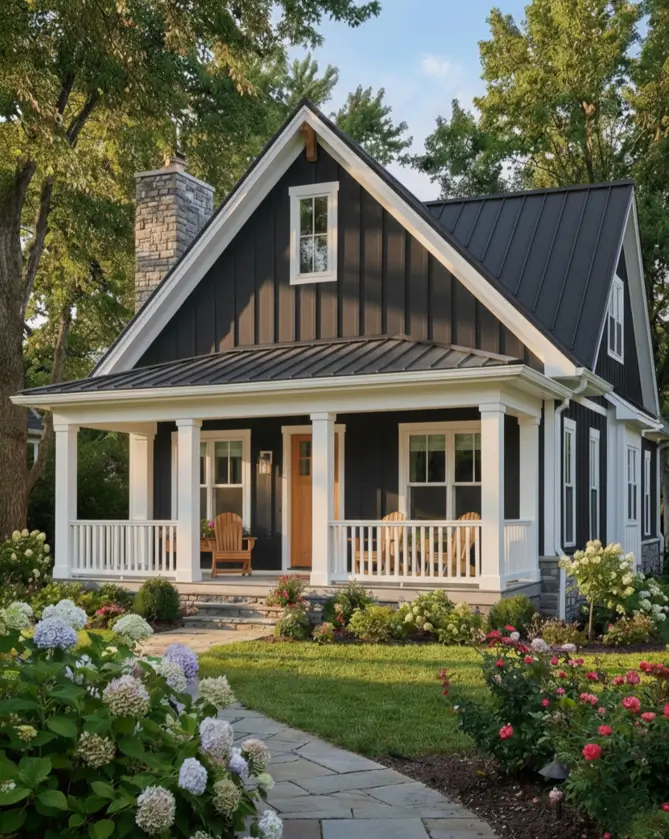
Strong contrast often defines a smaller home’s character better than complex details. The cottage pairs moody charcoal planks with bright white porch columns. It feels crisp and timeless, popping beautifully against the lush garden surroundings.
24. Olive Green Craftsman
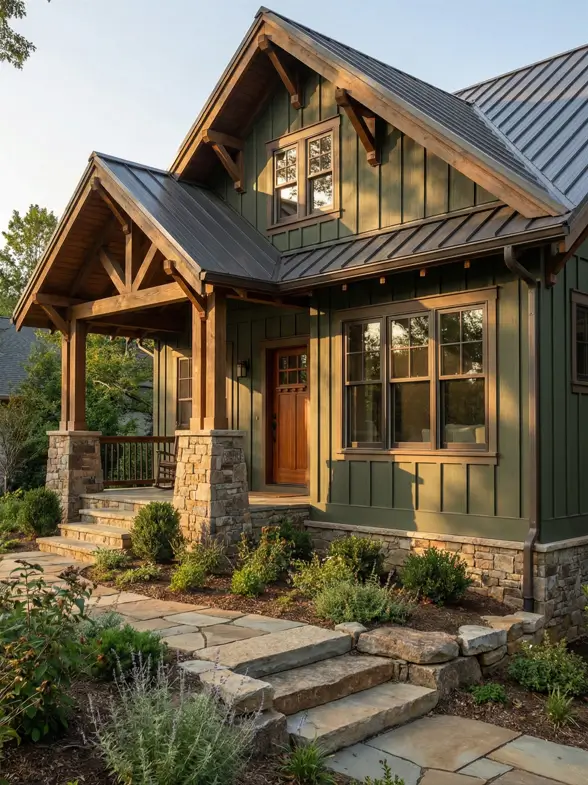
Deep olive tones instantly ground a home in its environment. On the exterior, moody green planks pair with heavy timber trusses and rough-hewn stone. It feels incredibly cozy and established, resembling a modern lodge tucked away in the woods.
Related: 36 Craftsman House Exterior Ideas for Timeless Curb Appeal
25. Neutral Siding Palette
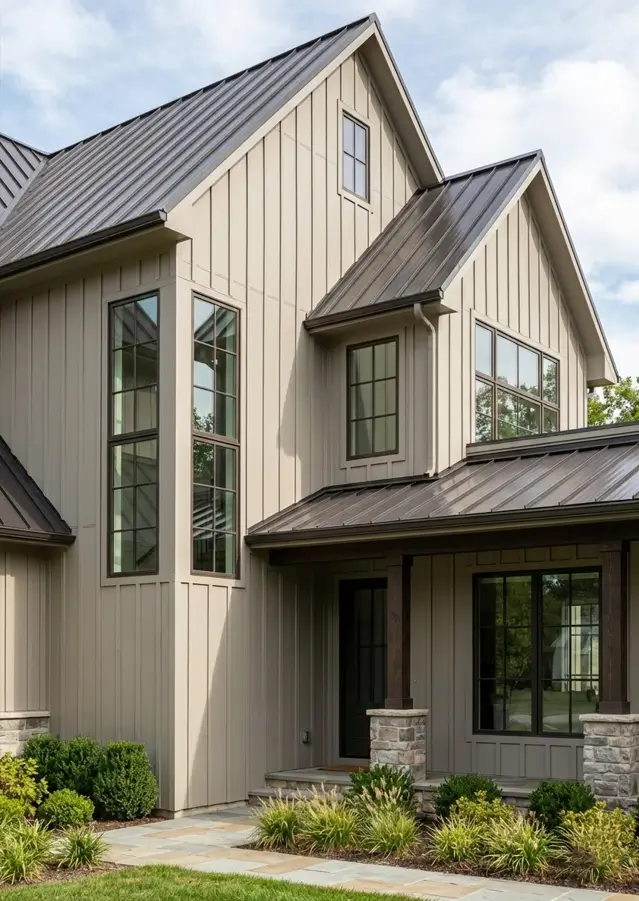
Large vertical surfaces often need a soft color to keep them from feeling overwhelming. This house with board and batten siding uses a warm putty-gray finish paired with a bronze metal roof. The subtle contrast allows the architectural height to shine without dominating the landscape.
26. Soft Gray Exterior
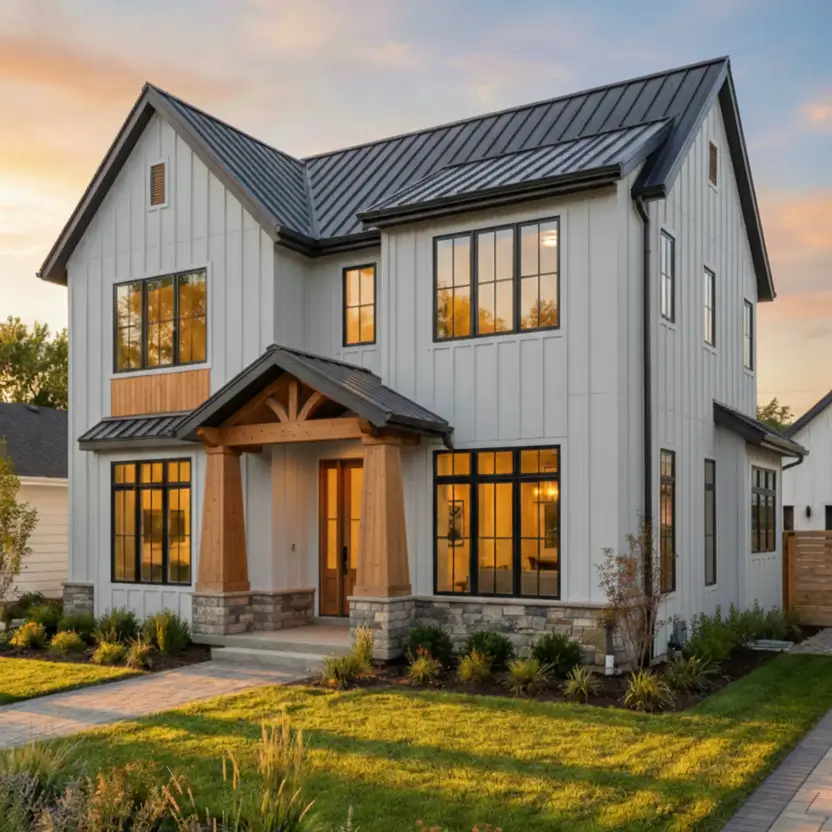
Pale neutrals often feel more restful than bright white. For a timeless look, this soft board and batten exterior color relies on a muted gray finish that pairs naturally with cedar porch posts and stone skirting. It creates a welcoming, organic look that feels modern without being too sharp or cold.
Lighting the Vertical Lines
To truly capture the texture of a house with board and batten siding at night, knowing how to use lighting to elevate your space is key. Because the surface isn’t flat, standard floodlights can flatten out the look.
Rather than washing the wall with flat light, gooseneck barn lights or ground up-lights positioned strategically between the battens work well.
These catch the edges of the vertical strips, casting deep shadows that make the facade look architectural and dramatic after sunset.
Material Options for Board and Batten
The look is the same, but the upkeep varies wildly depending on what you choose.
- Vinyl: The most common option. It is a budget-friendly solution that is low maintenance, and following a basic vinyl siding cleaning and maintenance guide from the industry association keeps it looking fresh, though some homeowners find it lacks the sharp, crisp edges of real wood. You might also notice it moves a bit with the seasons, expanding and contracting as temperatures change. For better thermal performance and improving energy efficiency, insulated vinyl is a solid option to check out.
- Fiber Cement: Often looks the most authentic to painted wood without the rot risk. It feels solid and holds paint well for years.
- Engineered Wood: A strong contender that offers the texture of real timber, backed by engineered wood durability that resists moisture better than traditional lumber. It’s easier to install than fiber cement because it’s lighter.
- Steel/Metal: Growing in popularity for modern homes. It is incredibly durable and fire-resistant, though you will likely hear the rain more distinctly during a storm compared to wood or fiber cement.
- Natural Wood: Cedar, pine, oak, and redwood offer the most authentic charm but need a bit of dedication. Unsealed wood will eventually fade to a silvery-gray patina, though proper cedar siding maintenance can preserve the warm tones. This “silvering” is a coveted look for rustic homes, but if you want to keep the warm brown tones, you’ll need to seal it every few years.
FAQs
Does board and batten siding cost more than horizontal siding?
Yes, typically. While materials cost about the same, the labor to install individual battens takes more steps. Expect to pay a premium for a true house with board and batten siding, though this investment helps keep your home’s value high by boosting curb appeal.
Can you install board and batten over existing siding?
It’s rarely recommended. You need a flat surface for the panels to sit flush, and layering can trap moisture behind the walls. For a weather-tight finish, stripping the old siding is usually the safest route to avoid hidden water damage.
What is the most durable material for this style?
Fiber cement is generally the top performer for longevity, resisting rot and holding paint better than wood or vinyl. If you prefer natural cedar, just know it needs sealing regularly to maintain its look against the elements.
What colors are trending for 2026?
Stark white is giving way to “Quiet Joy” shades—think warm taupes, sage greens, and soft charcoals. These board and batten exterior color choices help a board and batten house exterior feel grounded and settled in the landscape.
Does it collect more dirt?
Vertical siding actually stays cleaner than lap siding since rain washes dust straight down. The only catch? The small horizontal ledges atop the battens can catch spiderwebs, so you might need a quick sweep now and then.