

We can’t deny it, summer heat can make it feel like we’re living in an oven sometimes.
When the sun hits in full force, even the cosiest home can start to feel like a sauna. Over time, I’ve noticed this discomfort shows up most in homes that aren’t designed to blend in with their natural surroundings, something often explained by passive cooling design principles. In my experience, this happens fastest in rooms with lots of glass and very little airflow. Fans are already on, curtains are half-drawn, and you’re still wondering how it’s this hot.
Fortunately, there are simple ways to cool your home without maxing out your air conditioning (or your electricity bill). No extreme hacks. No major renovations. Just practical changes that make everyday living more comfortable.
Quick take: The biggest heat drivers at home are usually sunlight through windows, warm light bulbs, trapped air, and humidity. This list tackles those first.
If you only do two things, start by blocking direct sun at the windows and reducing humidity. Those tend to make the biggest difference fastest.
If you’ve been looking for ways to stay cool at home without relying on AC all day, these seven ideas are worth trying.
1. Switching to LED Lights
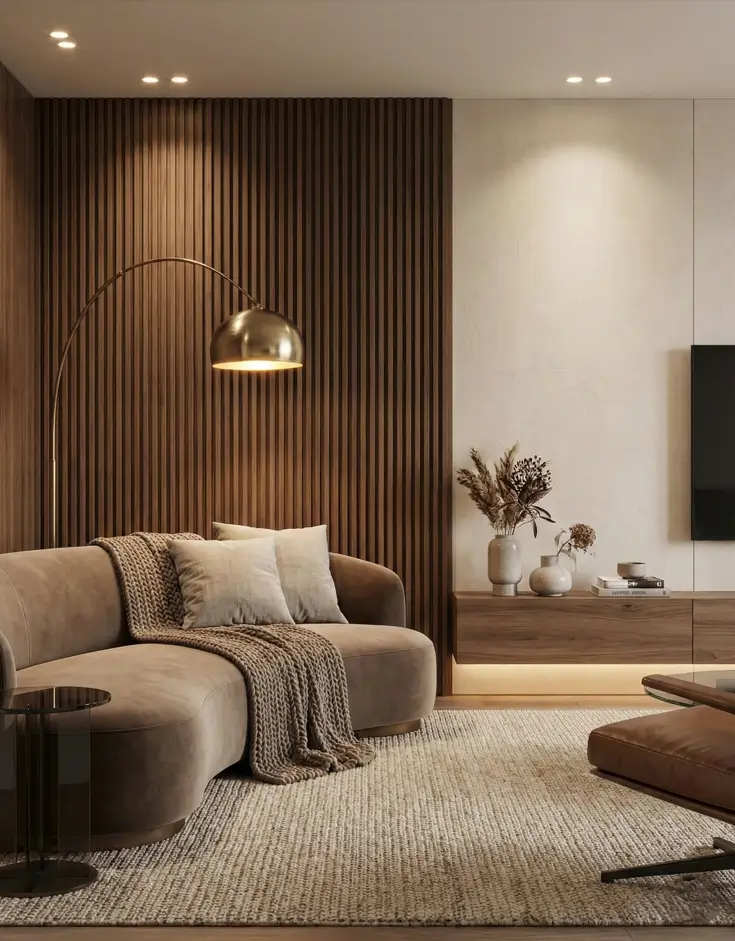
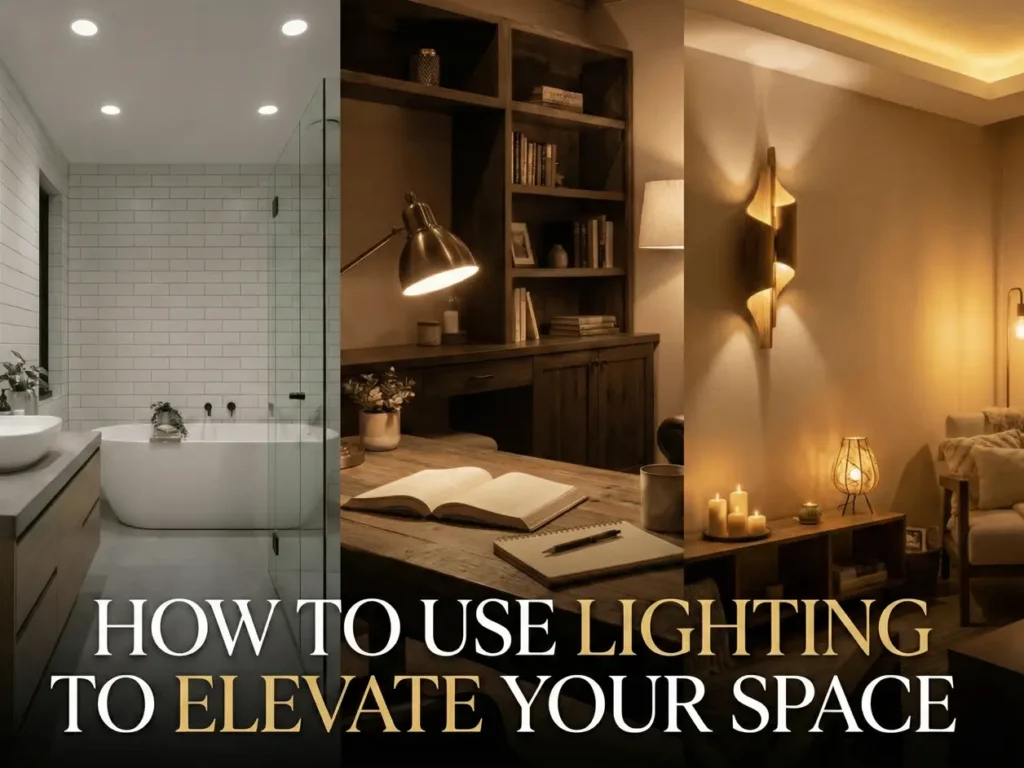
Old-school bulbs are basically mini heaters, especially when paired with poor lighting choices that affect heat. They use tungsten filaments that give off both light and heat, which slowly raises the temperature in your space, especially in smaller rooms.
LEDs and fluorescent bulbs may cost a bit more upfront, but they shine bright, last longer, use less energy, and put out much less heat. I’ve learned that the room tends to feel less stuffy pretty quickly after making the switch. It’s one of the easiest switches you can make, and you’ll feel the difference over time.
2. Block Sunlight From Windows
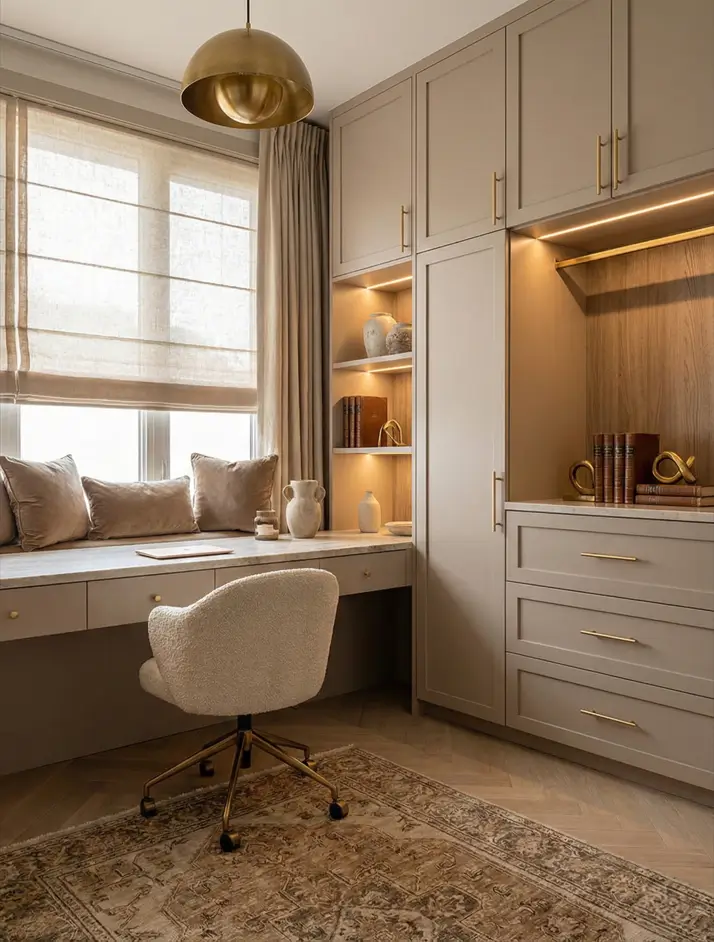
Windows are the biggest heat magnets. Bare glass lets sunlight pour in, trapping heat and quickly turning rooms into greenhouses.
Blackout curtains help block harsh afternoon sun, while light-filtering blinds keep things bright without the glare, which aligns with research on passive cooling strategies that focus on reducing heat gain. If you still enjoy natural light, reflective window films are a great middle ground. They reduce UV rays, cut down solar heat, and some even offer daytime privacy.
One thing I often see is that timing matters too. This kind of cross ventilation can make a noticeable difference when you use it at the right time of day. Early mornings and late evenings are usually the best times to open windows and let heat escape. Once the sun hits the glass, closing things back up helps keep the warmth from building.
3. Choose the Right Surfaces
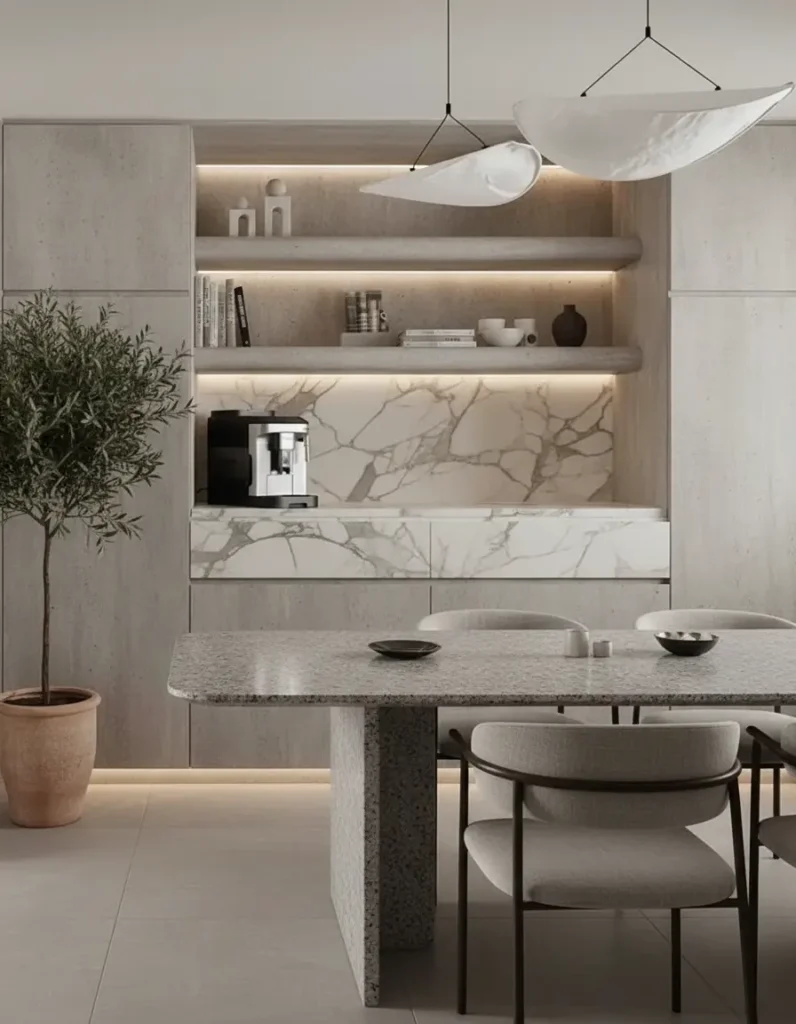
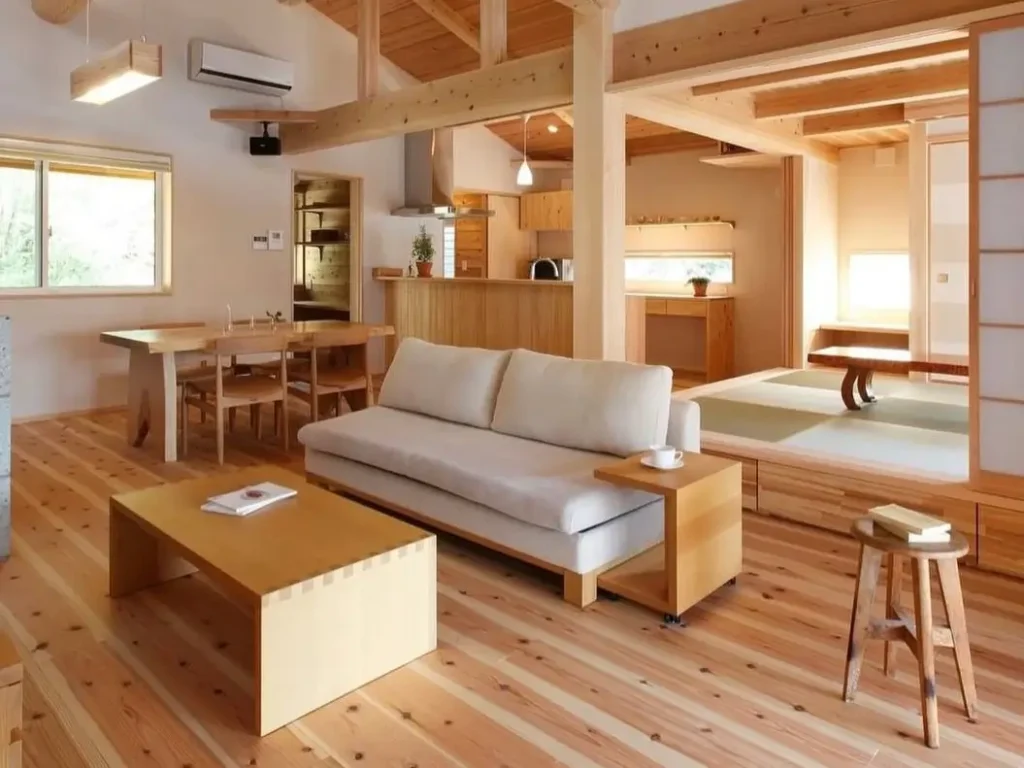
Some materials feel cooler than others. Stone, marble, cement, and porcelain tiles tend to feel cooler because they pull heat away from your skin faster (that cool-to-the-touch feeling).
Using these for floors or countertops can make a noticeable difference throughout the day. In practice, dense surfaces like tile and stone tend to help a room feel steadier through the day, especially when you’re keeping direct sun off them. What I’ve found is that tile and stone surfaces stay comfortable even during peak afternoon heat.
The same idea applies to cabinetry, wall panels, and furniture finishes. Material choice plays a bigger role than most people realize, as shown in studies on heat-resilient building materials.
4. Opt for Cooling Furniture & Fabrics
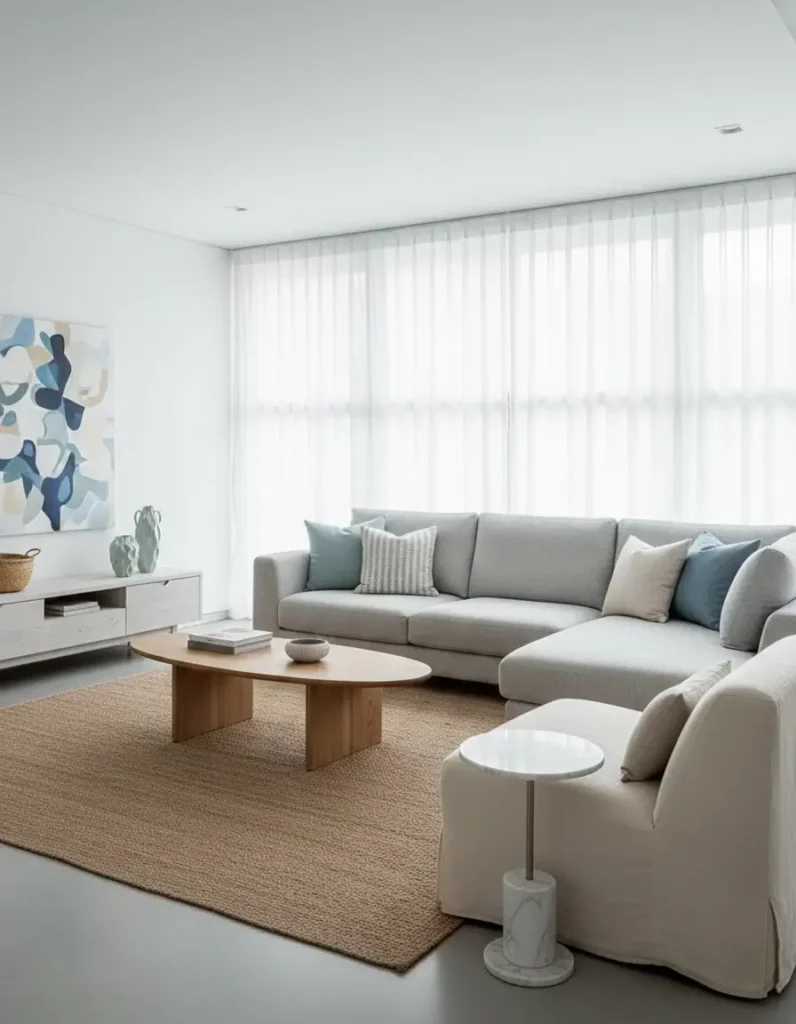
Sometimes, it’s about what your home is made of. Materials and fabrics that work with the climate tend to make homeowners feel more at ease.
Breathable fabrics like cotton and linen work best for upholstery and bedding. They feel lighter on the skin and help wick away moisture. For mattresses, latex tends to sleep cooler than dense foams, and it works well in humid climates.
Even simple swaps, like replacing heavy curtains or thick sofa covers, can make your home feel less stuffy. In my experience, the space tends to feel lighter almost right away.
5. Bring in Indoor Plants
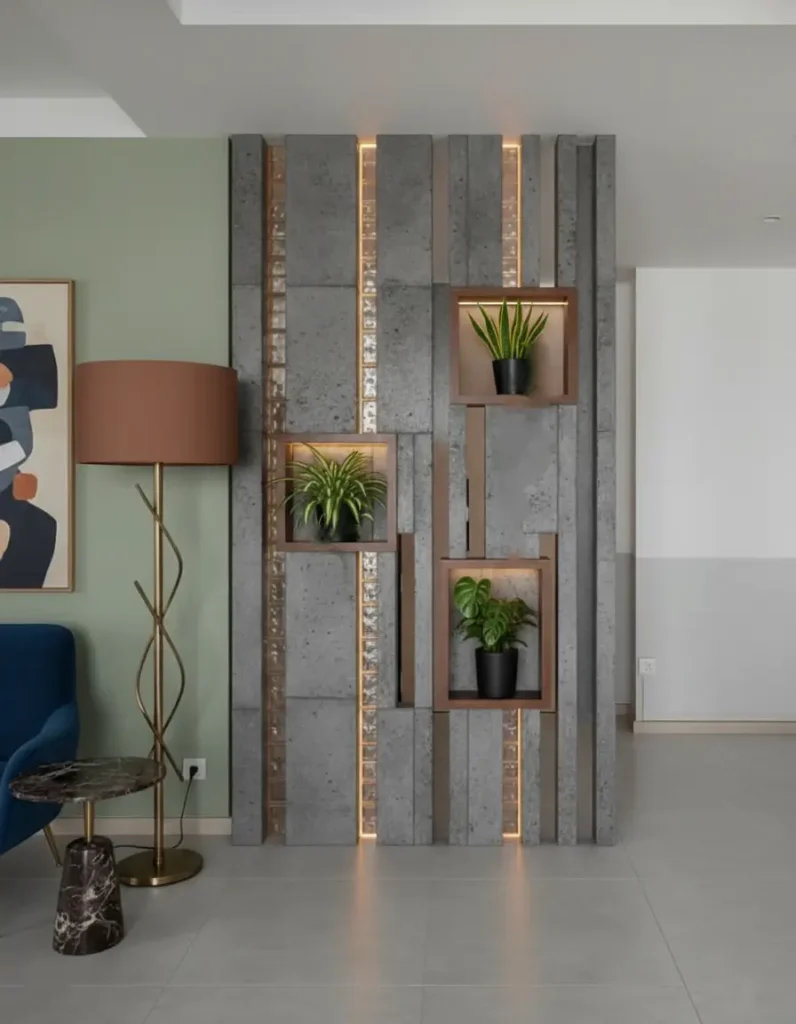
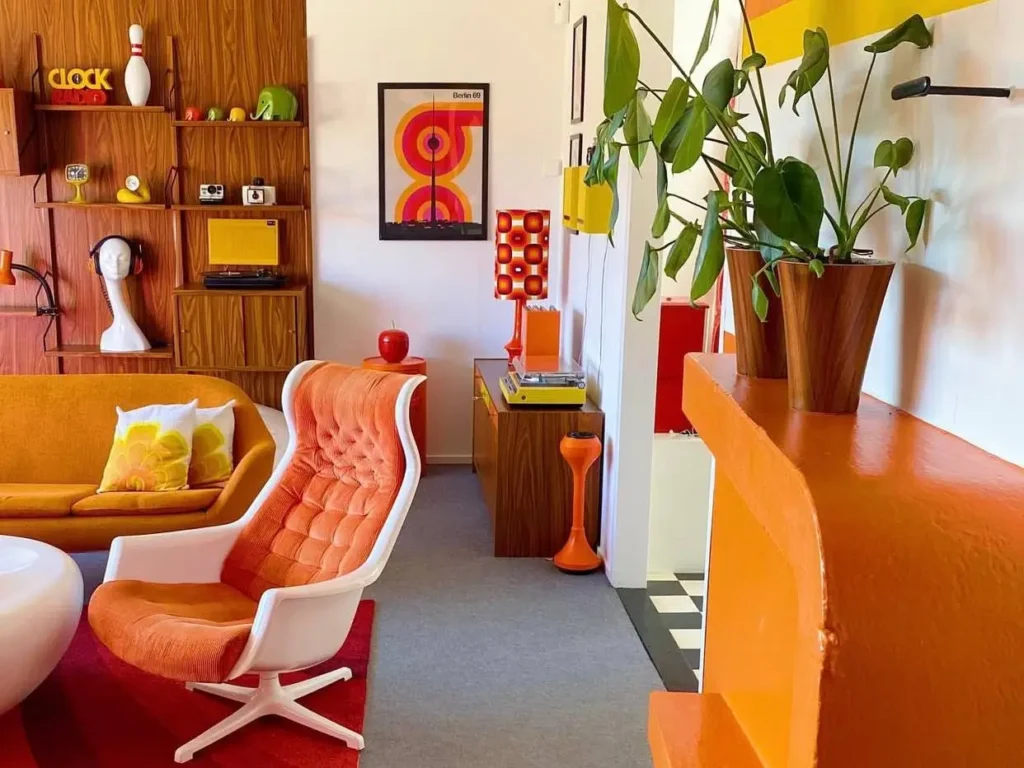
Plants aren’t just for aesthetics. In many homes, greenery helps spaces feel more relaxed and closer to nature. Through a natural process called transpiration, they release moisture into the air, which can help take the edge off in a room a little. This tends to show up more when you’ve got a few leafy plants together.
Low-maintenance plants like Mother-in-Law’s Tongue, spider plants, and Monstera work well in apartments. Place them near windows or in stuffy corners to help the space feel fresher.
6. Keep It Light With Paint Colours
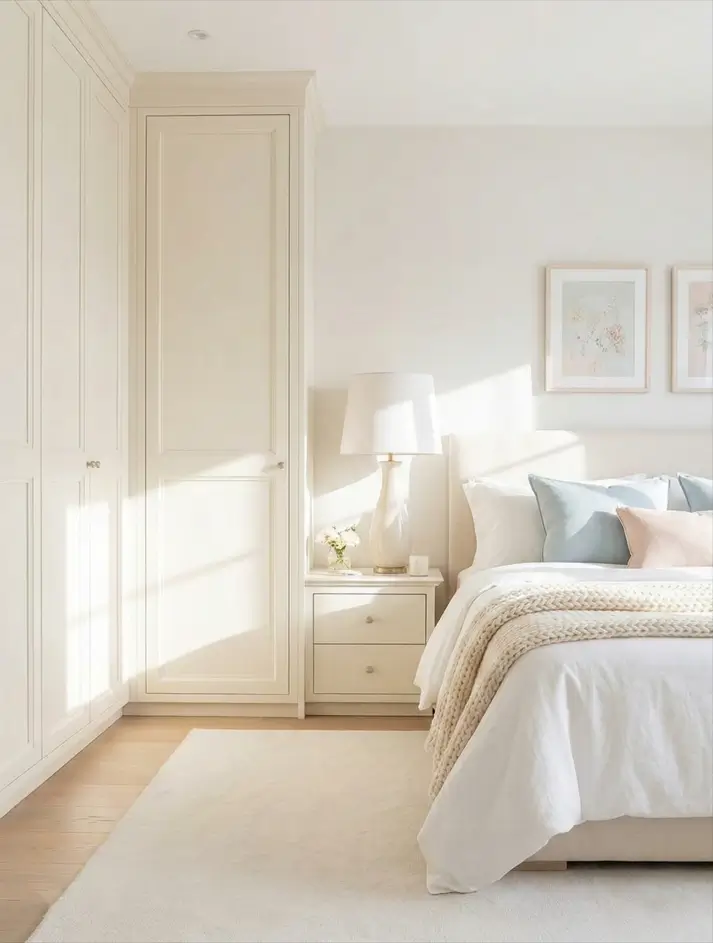
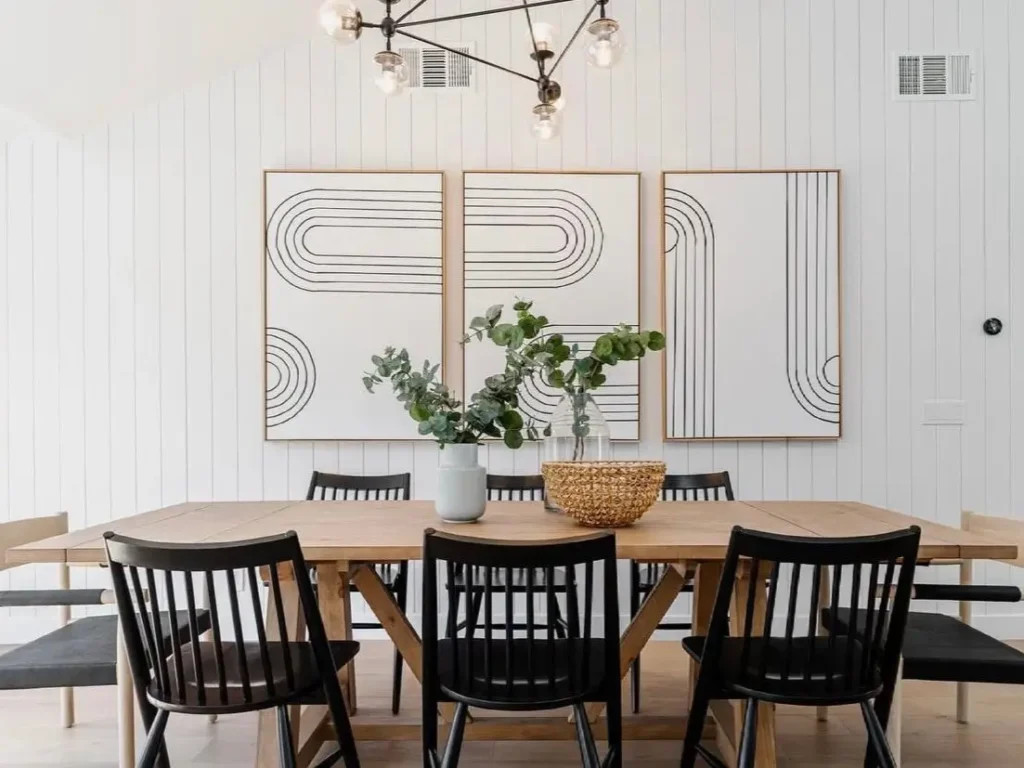
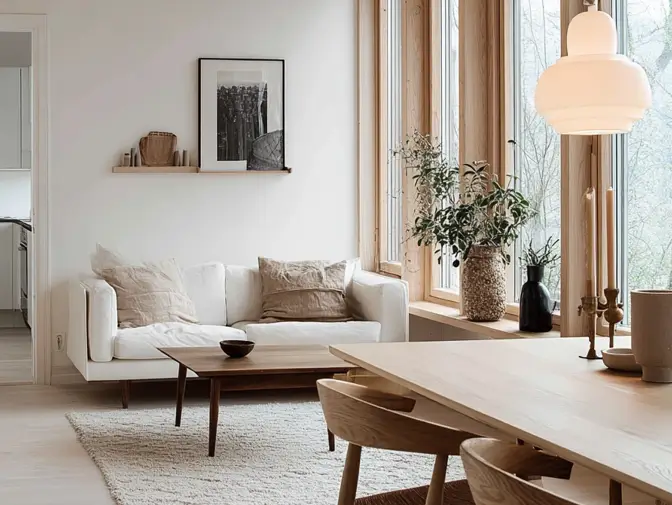
Colour affects heat too, especially in rooms that get strong direct sun. Lighter palettes often draw inspiration from warm-climate homes and neutral interiors that feel calmer day to day.
Dark shades can hold onto warmth when sunlight hits them, while lighter colours bounce light around and create a more open, airy feel. Whites, creams, and soft pastels help rooms feel cooler and brighter, especially light, heat-reflective paint colours used in warm climates. This is especially helpful in smaller homes.
7. Stay Cool With Ceiling Fans & Dehumidifiers
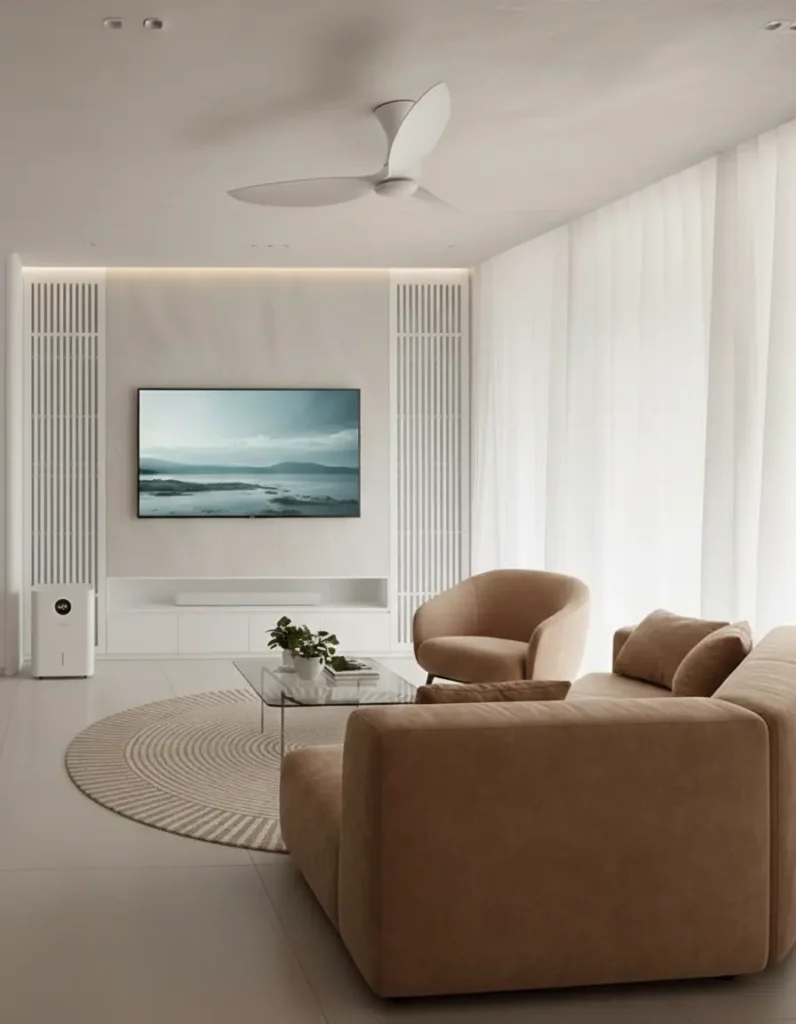
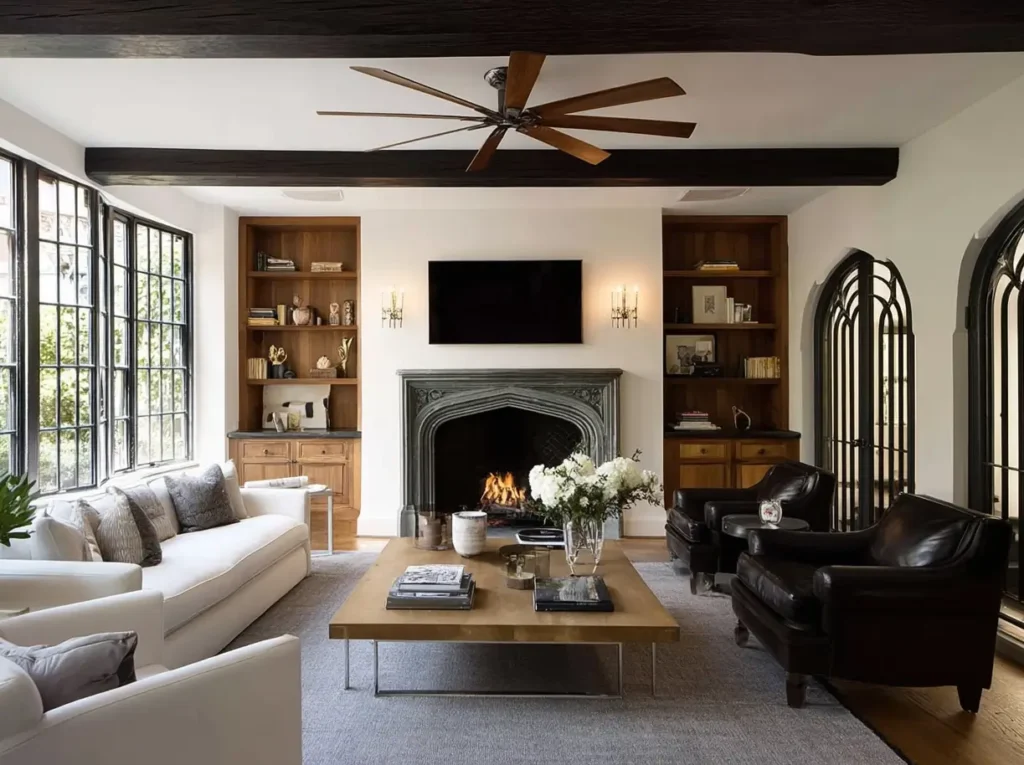
Fans are perhaps the simplest solution for keeping cool at home, backed by expert guidance on airflow and fan use in warm conditions. If your ceiling fan has a direction switch, the summer setting helps the air feel cooler against your skin. They improve airflow, are affordable to run, and require very little maintenance.
In humid climates, moisture in the air often makes heat feel worse than it actually is. A dehumidifier helps remove excess moisture from the air, which can make a room feel cooler right away (even if the temperature doesn’t change much).
I’ve noticed this most clearly at night, when the room stops feeling sticky in cooler bedroom setups. Used together, fans and dehumidifiers create a noticeable improvement in day-to-day comfort. This combo has consistently felt more comfortable than using either one on its own.
It’s the small changes that stack up. Over time, these choices help a home feel more like a relaxing retreat rather than a place you’re constantly trying to cool down.
Try incorporating a few of these ideas into your home and enjoy a cooler, more comfortable space without air conditioning. No ice baths necessary.
If you’re in a rental, most of these still work well. Curtains, lighting, fabrics, plants, and a portable dehumidifier can all make a noticeable difference without permanent changes.
FAQs
How can I cool my house without air conditioning?
One simple way to start is by blocking direct sun at the windows, then switching any warm bulbs to LEDs. If your home feels sticky, a dehumidifier can help the space feel cooler even before you touch the thermostat.
Do indoor plants actually cool a room?
They can help a room feel fresher, especially when you have a few leafy plants together. The cooling effect is usually subtle, so I like to think of plants as a comfort add-on, not the main fix.
What makes a room feel hotter than it is?
Direct sun on glass, trapped air (low airflow), and humidity. When those three stack up, the space tends to feel warmer even if the temperature reading looks normal.
What’s the fastest way to cool a room without AC?
Blocking sun at the windows, turning on a fan, and reducing humidity usually helps the room feel more comfortable quickly, even before the temperature drops.