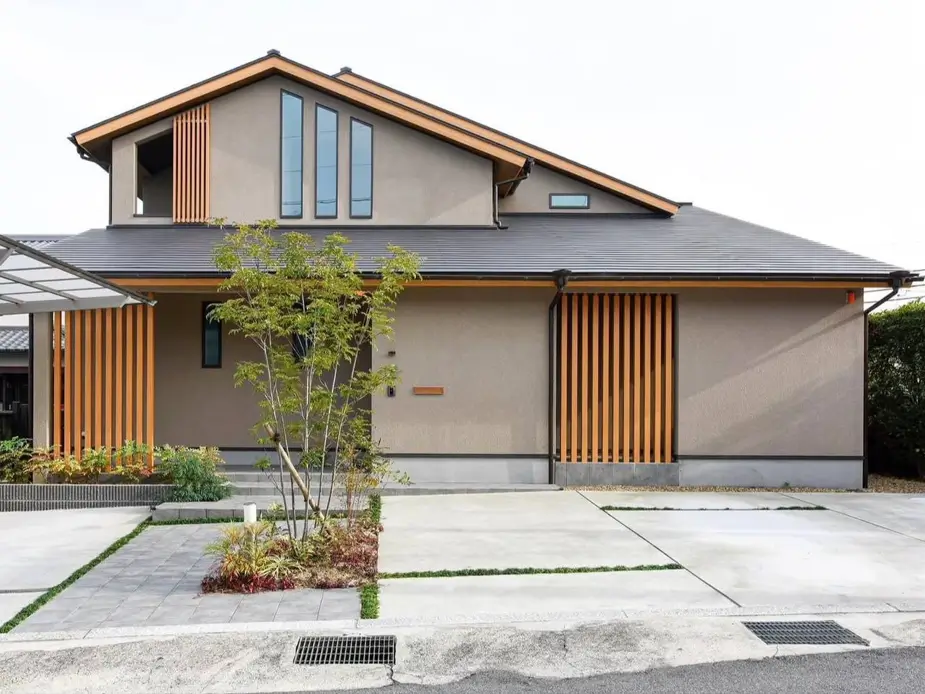


Timeless tranquility and a deep connection to nature define the core of Japanese design. This celebrated approach is more than an aesthetic. It is a philosophy of mindful living, one that prizes functional simplicity and the beauty of natural materials. Creating this sense of peace is the ultimate goal of Japanese style house design. It strips away the non-essential to reveal a space that calms the mind and centers the spirit.
Today, these principles are being seamlessly integrated into contemporary homes. A Japanese style house modern interpretation might feature clean lines and expansive glass, perfectly balancing tradition with current needs.
Whether you are drawn to the classic simplicity of a Japanese style house exterior or a more minimalist modern Japanese house exterior, the focus remains on harmony. This guide explores the core principles, key elements, and 20 inspiring examples to help you cultivate your own peaceful retreat.
The Philosophy of Japanese Style House Design
Before exploring the visual examples, it helps to understand the philosophies that shape these serene, Zen-inspired spaces. These concepts are the invisible foundation of the entire Japanese style house design aesthetic.
- Simplicity (Kanso): This is the elimination of clutter. It prizes clean lines, open spaces, and a mindful lack of ornamentation. Every object has a purpose, creating a restful, minimalist visual environment.
- Connection to Nature (Shizen): Designs are of nature, not just in it. This is achieved through organic materials (wood, stone, bamboo) and “borrowed scenery” (shakkei), where large windows and verandas frame outdoor views. This concept is a cornerstone of modern biophilic design, making the garden an extension of the home and creating a seamless indoor-outdoor flow.
- Asymmetry (Fukinsei): This principle finds balance in the imperfect and asymmetrical, unlike rigid Western symmetry. This concept is related to wabi-sabi, the art of finding beauty in natural imperfection and organic forms, which creates a more dynamic and natural-feeling composition.
Core Architectural Elements in Japanese Design
As you browse the ideas below, you will see these key elements appear again and again. They are the signature features of both traditional and modern Japanese house exterior design.
- Natural Materials: Wood is paramount, from light Hinoki (cypress) to rich Sugi (cedar). Many modern designs use Shou Sugi Ban, a charred wood finish, often contrasted with the cool, smooth texture of concrete or stucco.
- The Engawa (Transitional Veranda): This is a hallmark of the Japanese style house exterior. It is a wooden veranda that serves as a beautiful transitional space, blurring the line between the interior and the garden.
- The Play of Natural Light and Shadow: Natural light is treated as a material, prized for its clarity and soft diffusion. It’s filtered through shoji screens in traditional homes or sculpted with slatted screens and large picture windows in Japanese style house modern designs.
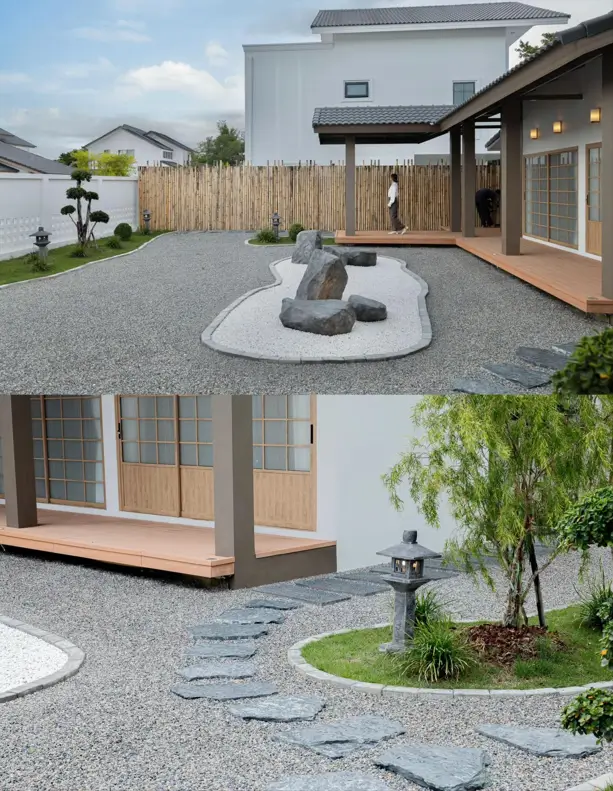
- Integrated Landscaping: The garden is one with the home. This includes minimalist dry gravel gardens (karesansui), small courtyards (tsuboniwa), and key plants like Japanese maple, bamboo, and moss.
20 Inspiring Examples of Japanese Style House Design
Below, explore how these principles and elements come together to create homes of stunning simplicity and peace.
1. Layered Wooden Volumes
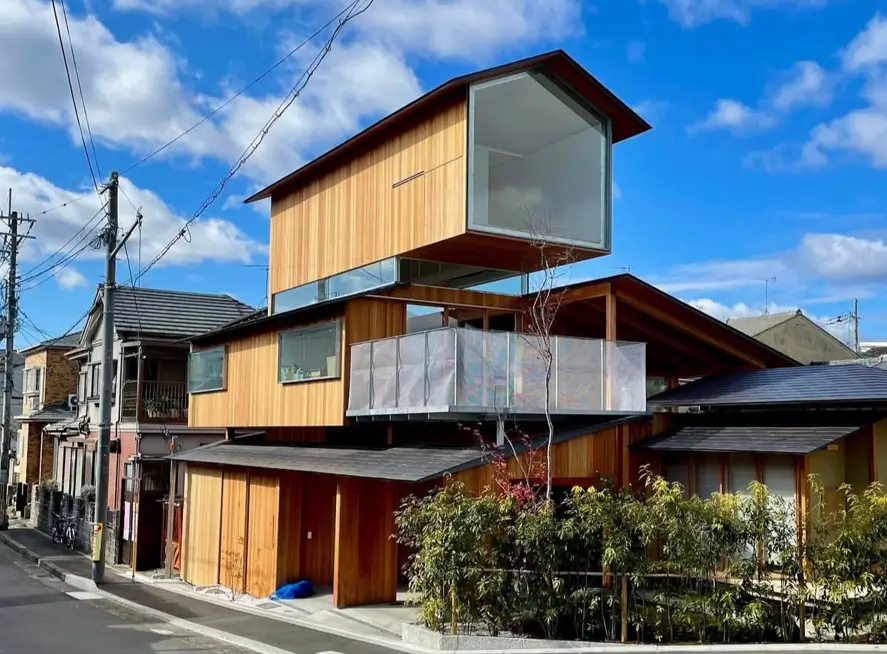
Striking modern homes often play with height and material. This design features stacked wooden volumes, with large picture windows and recessed glazing. This dynamic vertical structure creates visual interest while remaining connected to the street level, showcasing a bold take on urban minimalist living.
2. Compact Curved Form
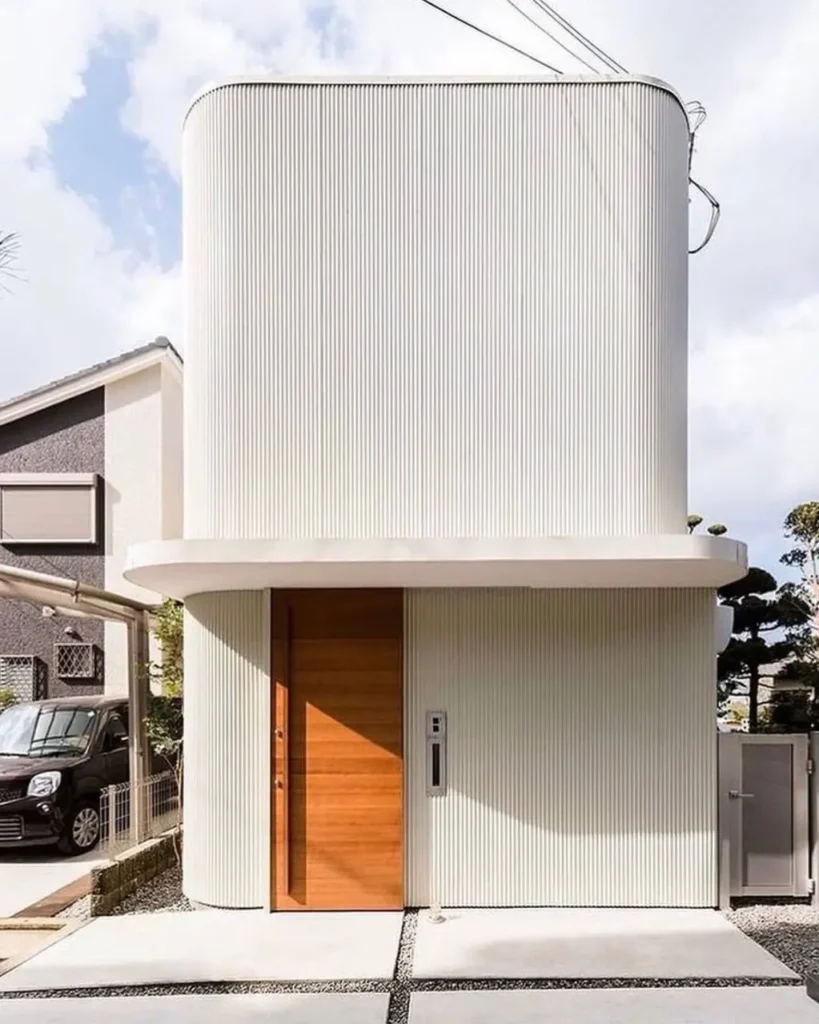
Softly rounded, corrugated siding defines this compact modern Japanese house exterior by SAI Studio. The design cleverly uses a double-height ceiling to pull abundant natural light deep into the home. A single, flush-set wooden door provides a simple point of organic warmth.
3. Modern Minka Elements
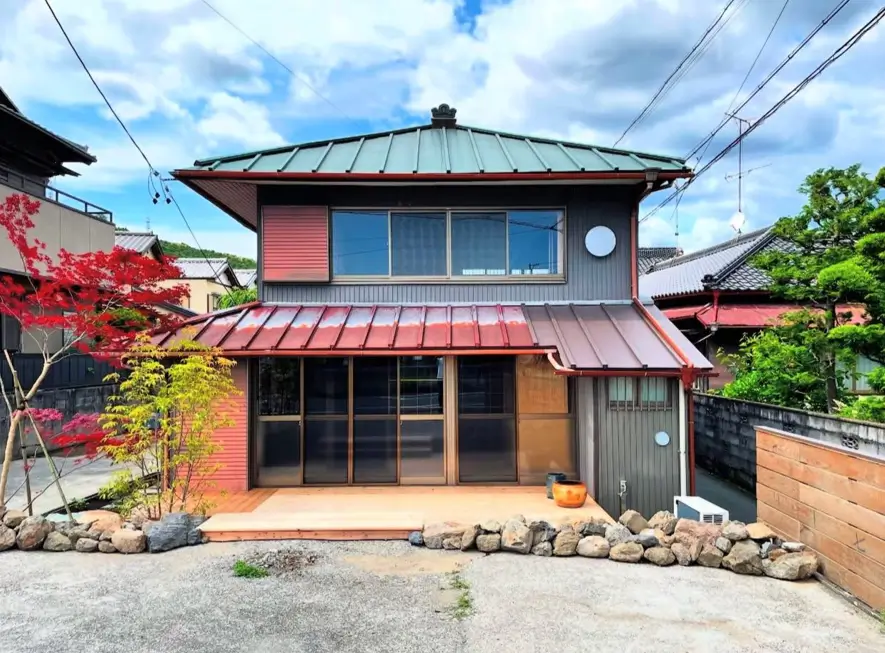
Red and green roofing elements create a colorful contrast against grey siding and warm wood. A simple wooden deck, bordered by natural stones, provides an open, welcoming connection to the outdoors.
4. Urban Material Contrast
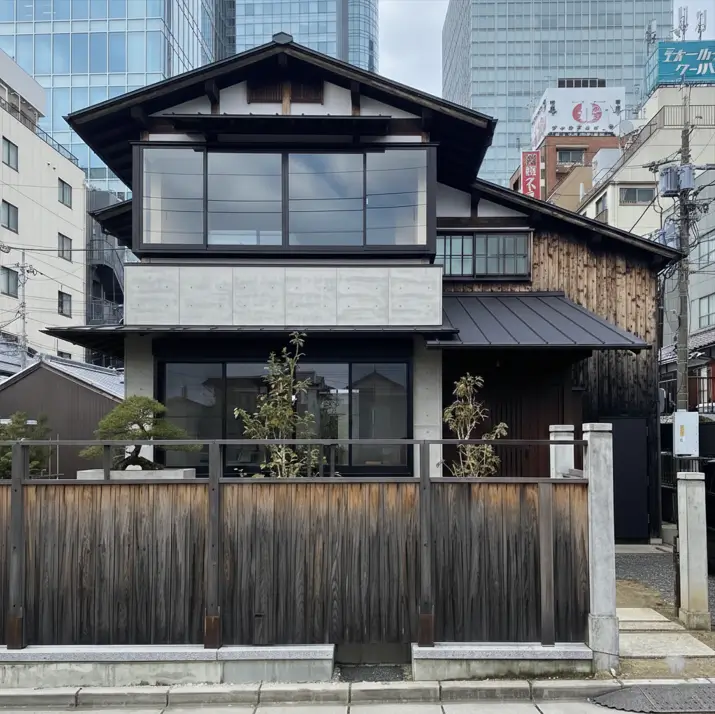
Dark stained wood siding and a traditional fence establish a classic base. This is contrasted by a smooth concrete beam and large, modern windows, creating a sophisticated modern Japanese house exterior that blends privacy with openness in a dense urban setting.
5. Serene Garden Integration
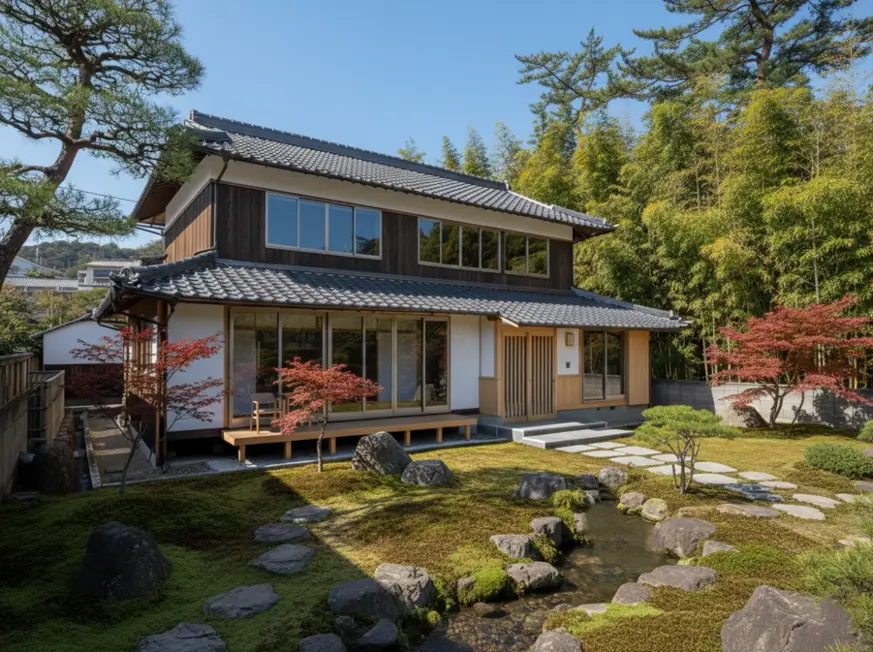
Deep garden integration defines this home. A ground-floor wooden veranda opens directly onto a moss garden with stepping stones and maples. This is a beautiful example of classic Japanese style house design with a timeless, natural sanctuary.
6. White and Wood Exterior
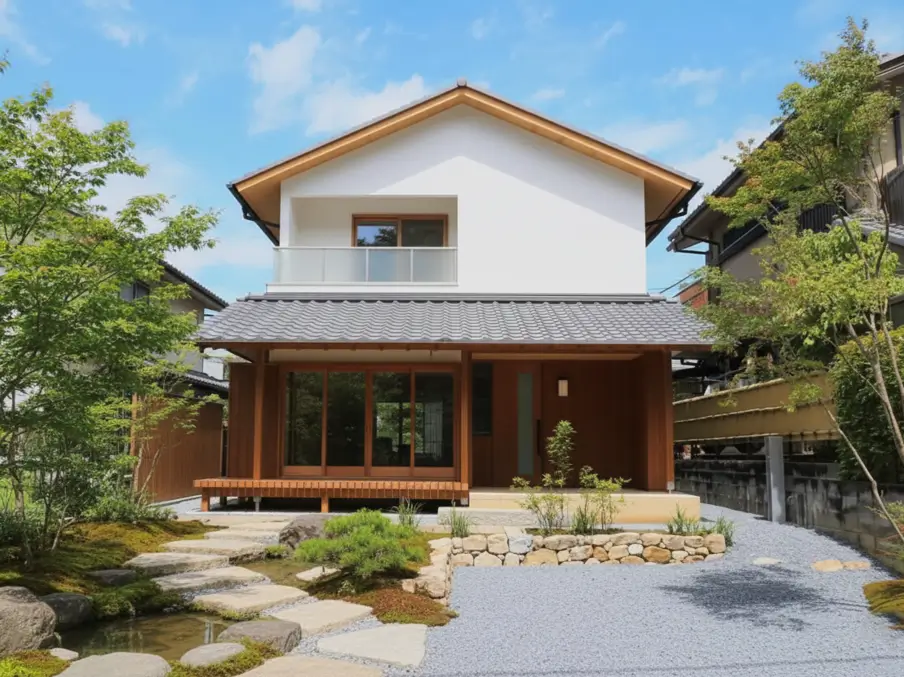
Clean white stucco on the upper level creates a modern profile against the traditional tiled roof below. This Japanese style house modern design features a warm, recessed wooden veranda on the ground floor, connecting the home to a meticulously planned gravel and stepping-stone garden.
7. Evolving Organic Form
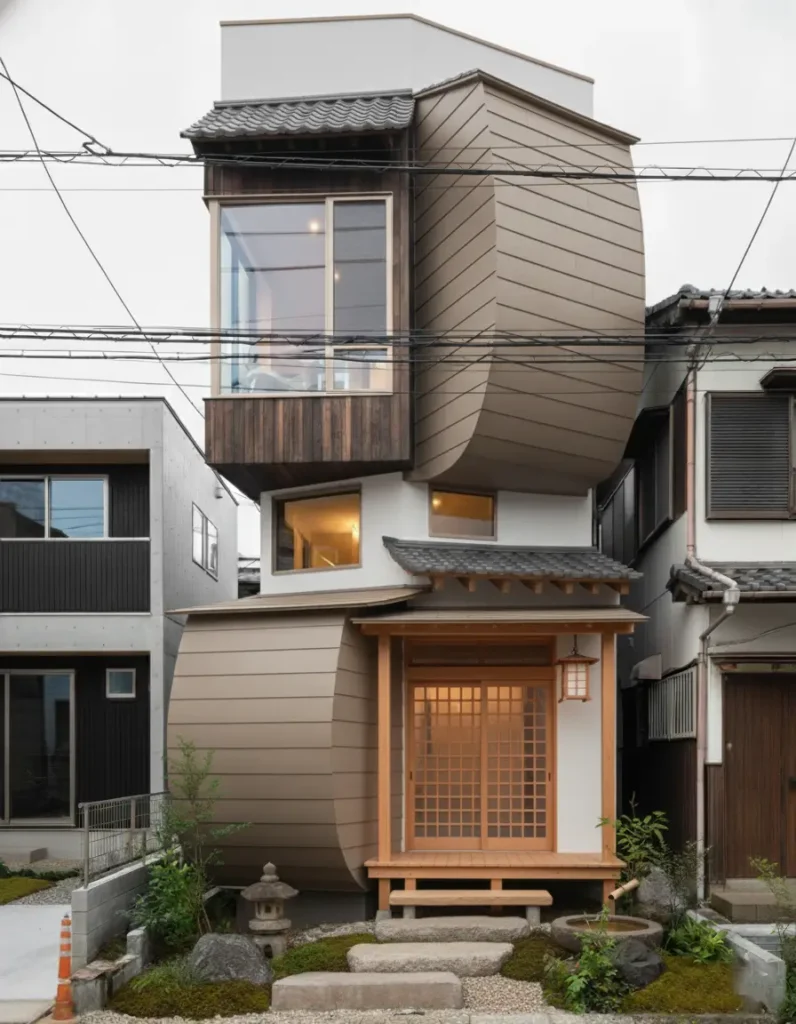
Layered wood and copper panels wrap this compact Tokyo home, a design by Shin Aoki (saap.design). The sculptural, tree-like form is designed to age and evolve, contrasting beautifully with the traditional ground-floor entryway, which features light wood and shoji-style doors.
8. Historic Machiya Facade
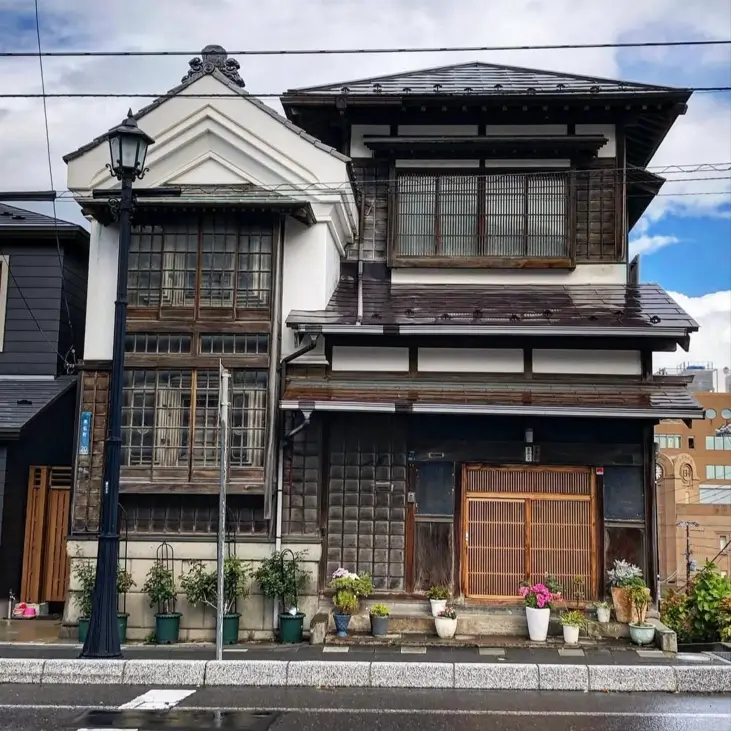
This is a beautifully preserved traditional townhouse, or machiya, in Hakodate City. Identified as the Kusakabe family residence (circa 1917), it features elegant, fine wooden latticework (koshi) and contrasting white plaster walls, showcasing the peak of Taisho-era craftsmanship.
9. Rustic Roof, Modern Tech
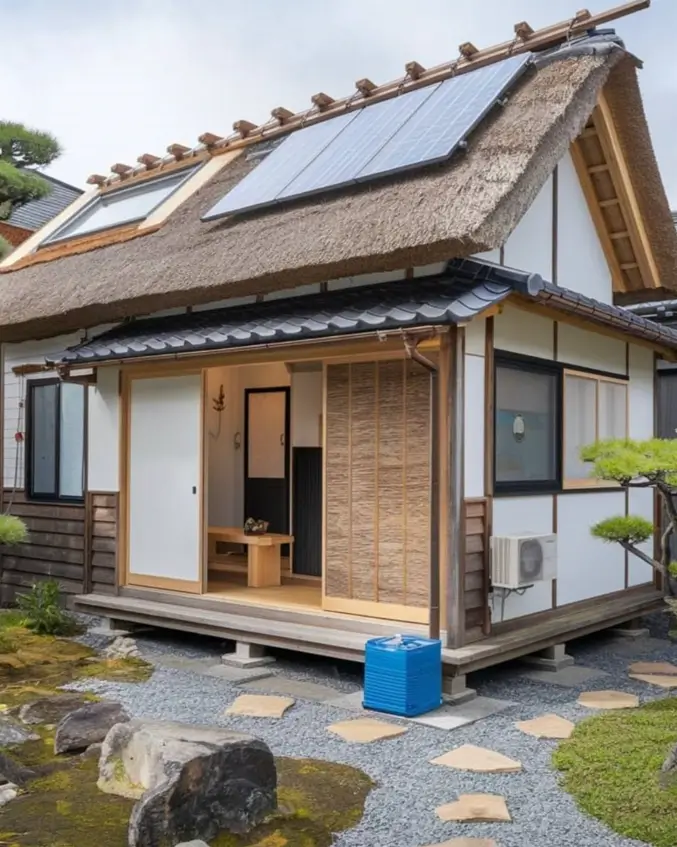
Thick thatched roofing provides a rustic, traditional profile. This is thoughtfully updated with integrated solar panels and skylights. The compact home features classic white walls and a wooden veranda, set within a serene gravel and stone garden.
10. Crisp Modern Geometry
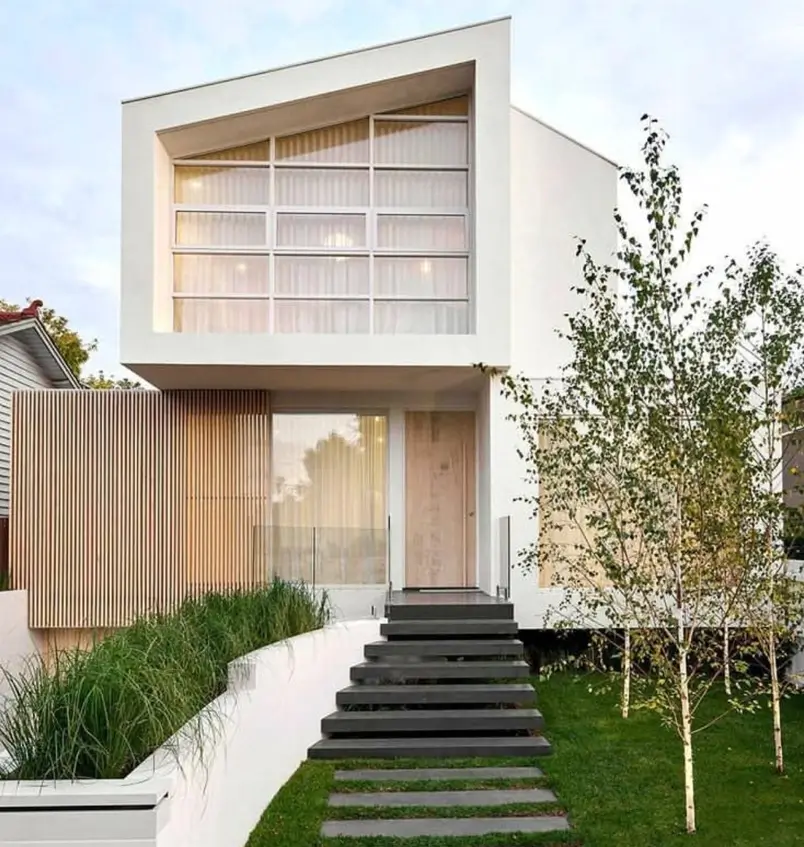
White stucco walls create a sharp, geometric shape, softened by a vertical wood privacy screen. This Japanese style house modern approach uses large windows with sheer curtains to enhance the indoor-outdoor flow, while dark floating steps lead up through a soft, green landscape.
11. Contrasting Wood Siding
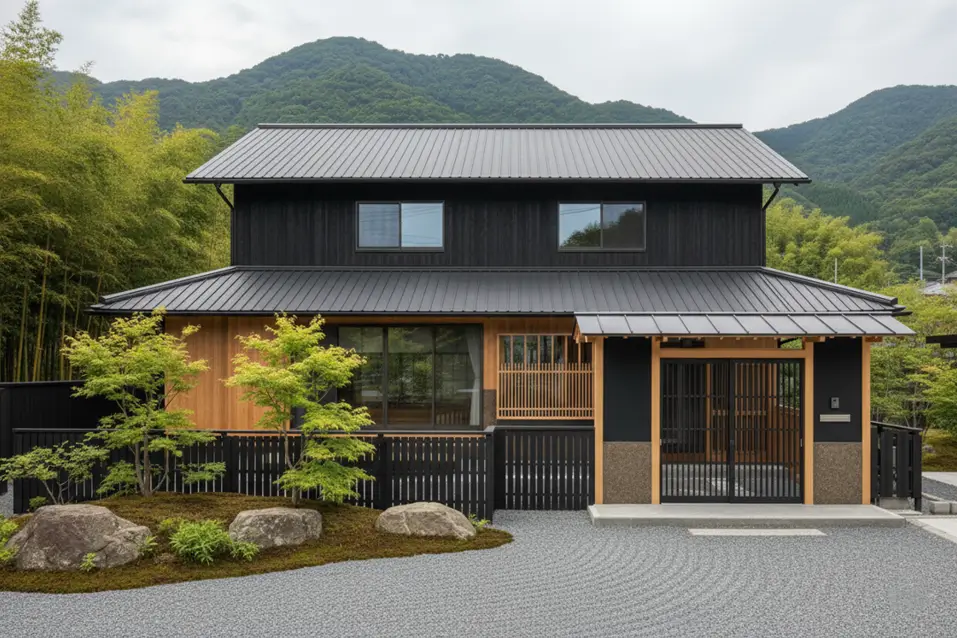
Dark vertical siding on the top floor creates a strong contrast with the natural wood on the ground level. A black fence encloses a perfectly raked gravel garden (karesansui). The light wood gate provides a welcoming focal point against the dark Japanese style house exterior.
12. Preserved Garden Courtyard
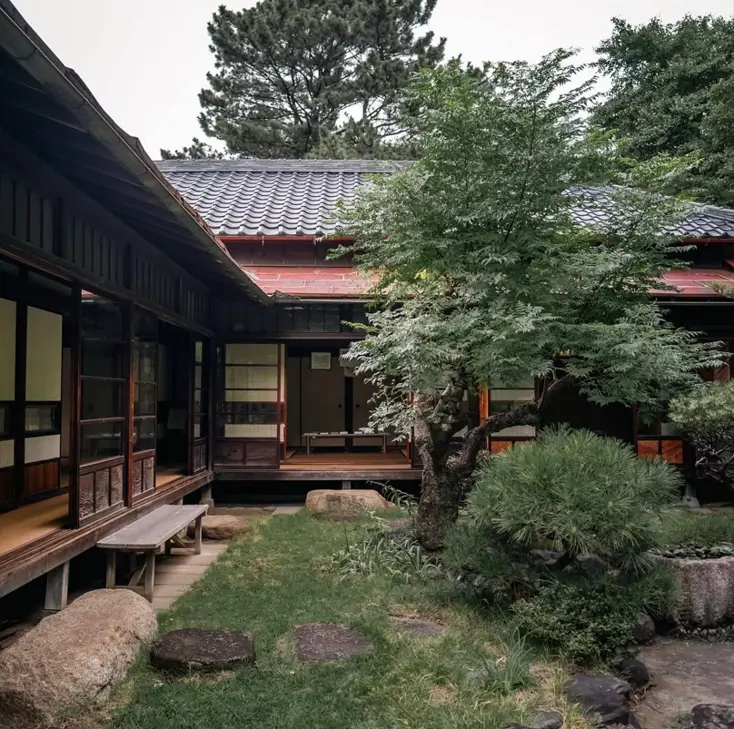
This beautifully preserved home (circa 1913) was once a seaside resort villa. Its serene central courtyard, or tsuboniwa, is framed by dark wood verandas, functioning as a living piece of art that brings nature deep into the interior.
13. Embracing the Landscape
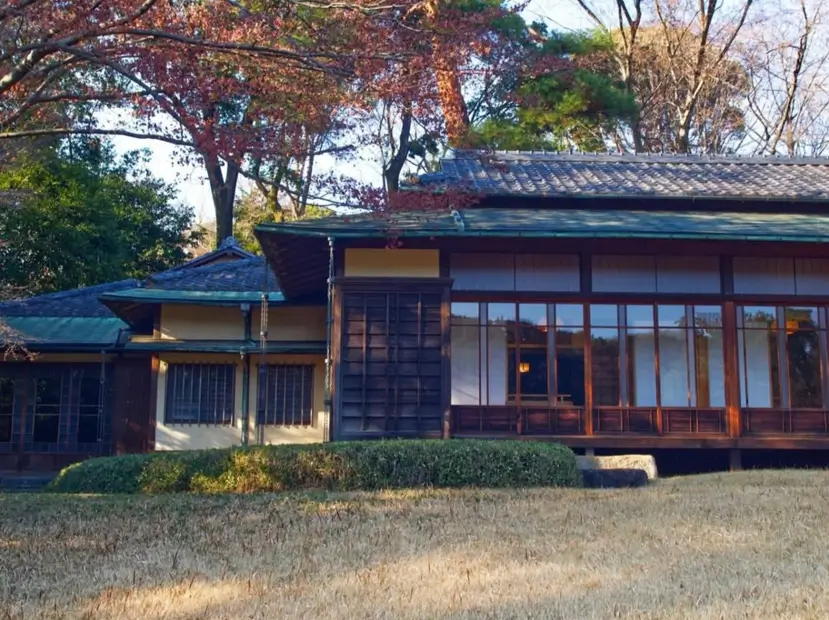
Deep eaves and dark wood define this classic home. A long wooden veranda, or engawa, provides a seamless transition from the interior to the natural sloping garden. Expansive sliding screens invite the surrounding landscape and light directly into the living space.
14. Modern Stucco Facade
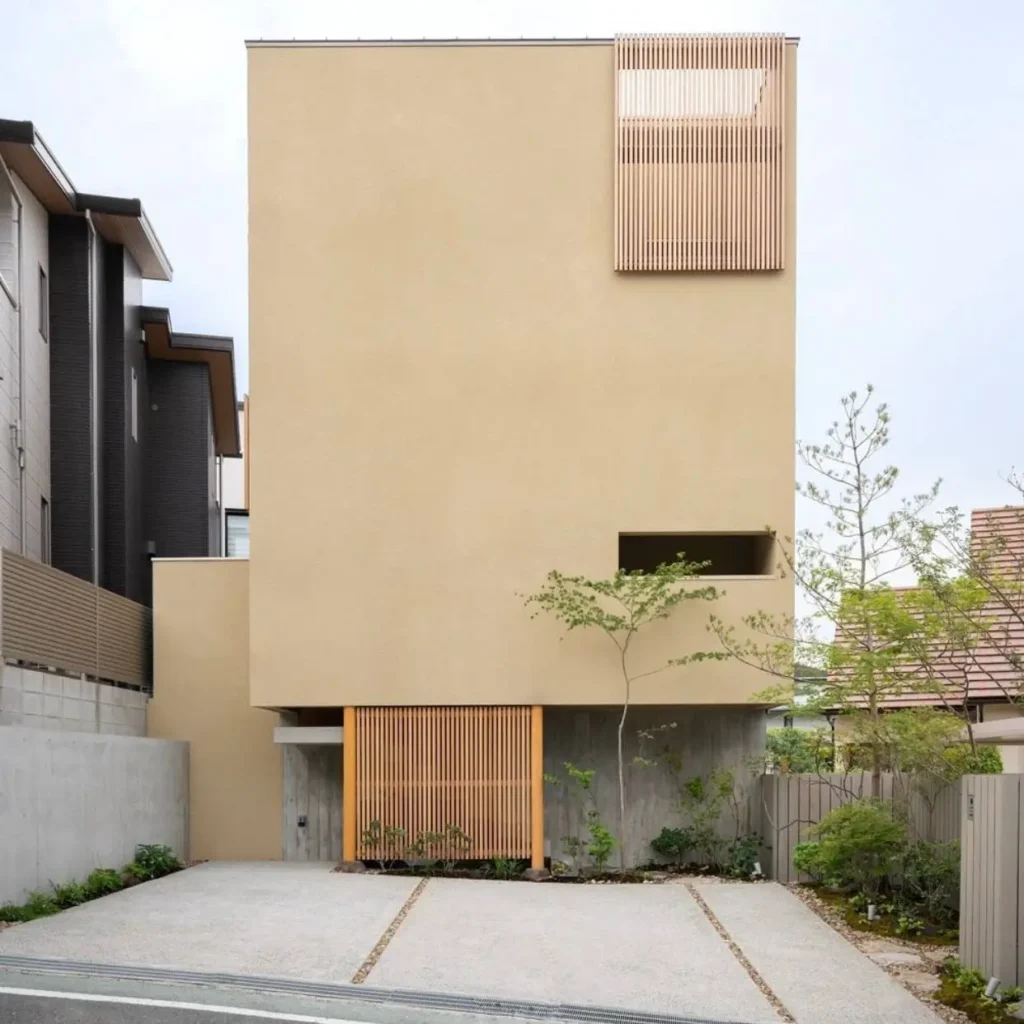
Warm beige stucco creates a monolithic facade for this modern Japanese house exterior by fujiwaramuroarchitects. Designed for a chef, it uses traditional materials and a clever site elevation to create varied perspectives. Recessed wood slats balance the minimalist form.
15. Textural Wooden Facade
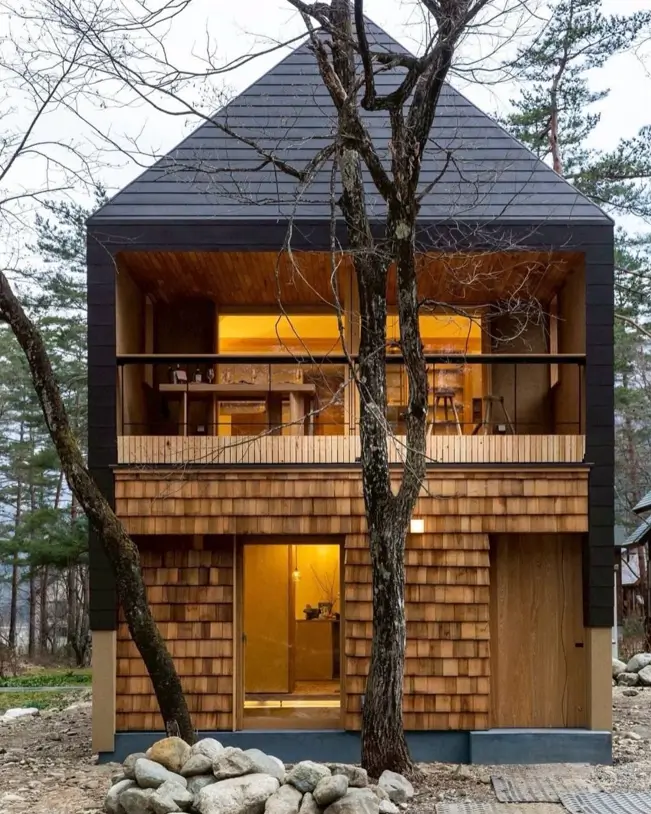
Wood shingles provide rich texture on the ground floor. This contrasts with the sleek, dark siding of the upper level. A large, recessed balcony reveals a warm wood ceiling, blending cozy cabin aesthetics with modern design.
16. Elevated Latticework Box
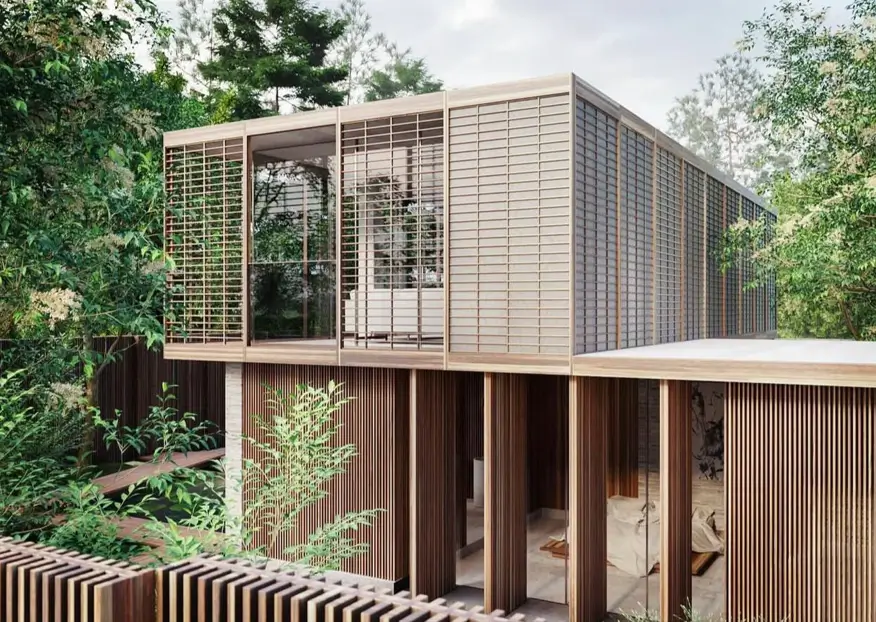
Fine wooden latticework envelops this elevated structure, creating a semi-transparent screen. This design element, a modern take on koshi, filters natural light and offers privacy while maintaining a strong connection to the surrounding greenery.
17. Traditional Corner Facade
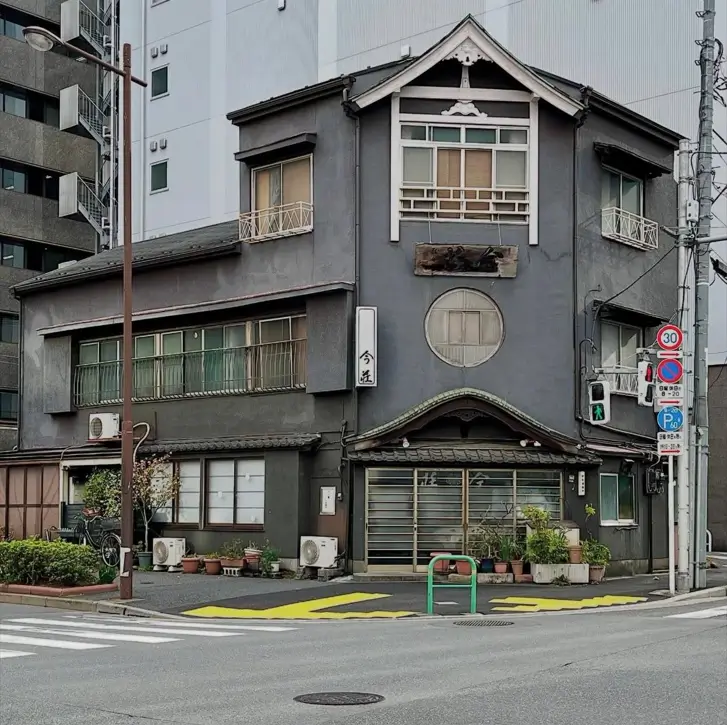
Dark grey stucco covers this urban corner building, creating a monolithic presence. Traditional details, like a tiled entry roof, a round window, and decorative white gables, stand out against the dark facade, showing classic design.
18. Dark Geometric Form
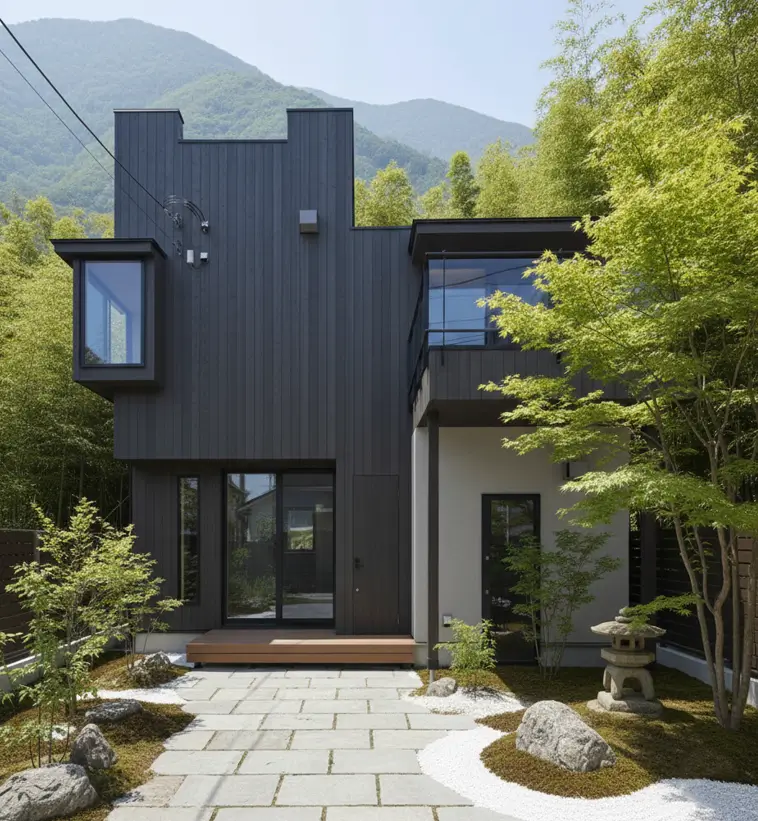
Dark vertical siding defines this home’s bold, angular form, set against a lush mountain backdrop. A stone paver path winds through a minimal white gravel and moss garden, creating a serene approach to this stunning modern Japanese house exterior.
19. Modern Urban Contrast
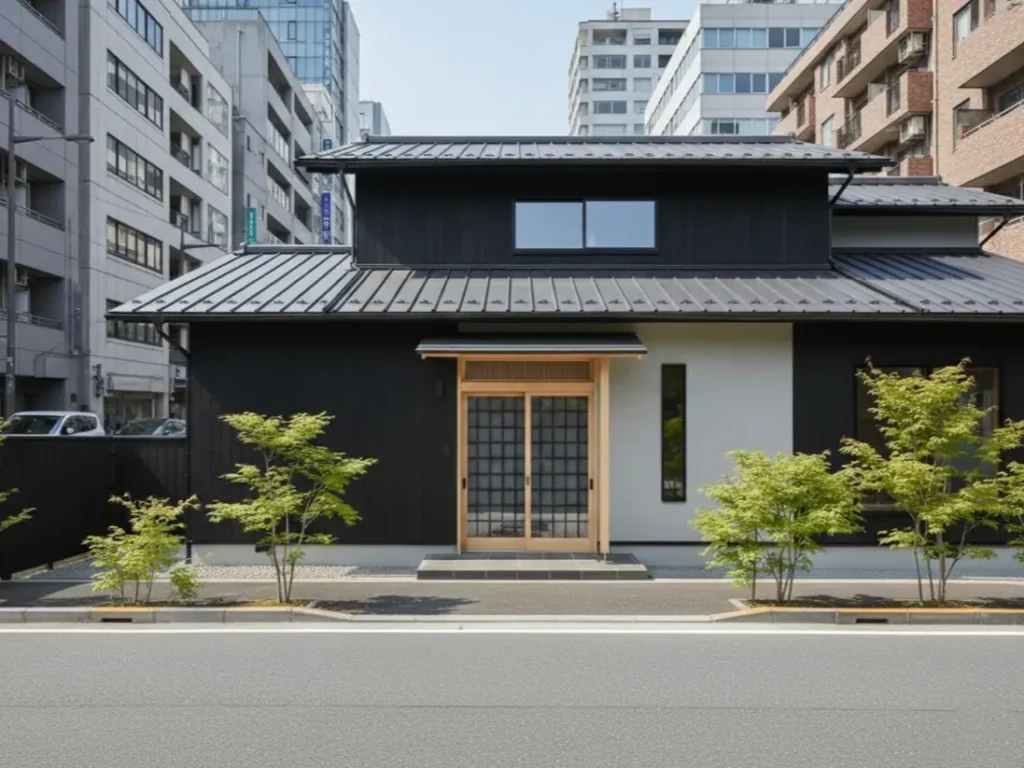
Deep black siding creates a dramatic, modern statement, balanced by a single white wall. This composition highlights the warm, natural wood entryway, which features classic sliding doors, acting as a tranquil focal point on the busy street.
20. Expansive Modern Living
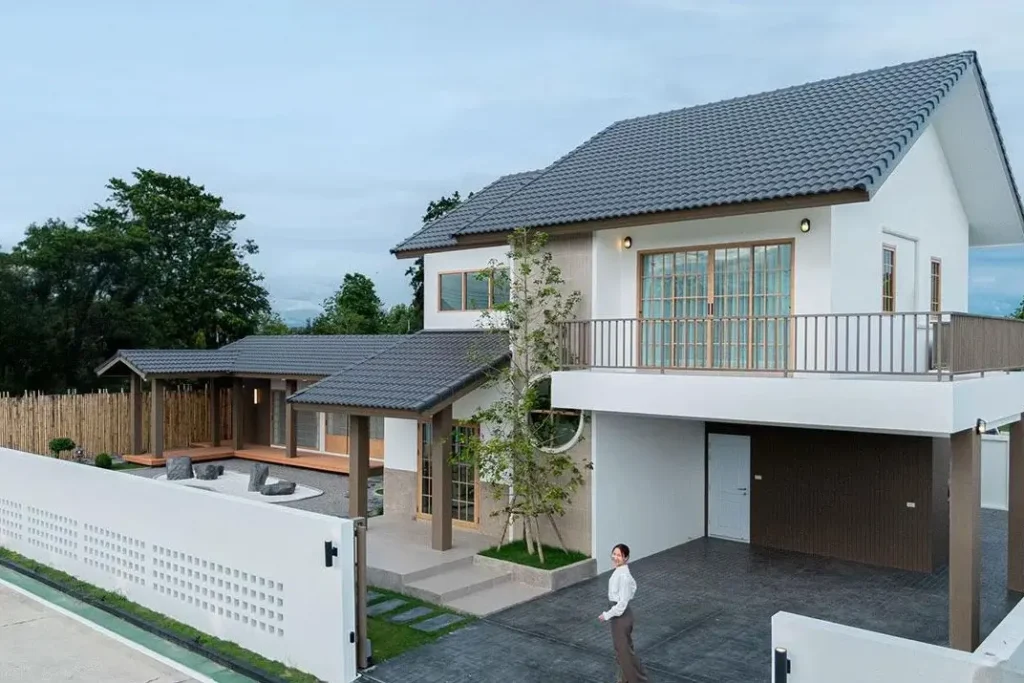
Sprawling gabled roofing and a clean white facade define this modern home. A separate wing features a classic engawa porch, which overlooks a tranquil dry garden and bamboo fence, perfectly merging contemporary scale with traditional outdoor living.
Whether you are planning a new build or seeking to bring a sense of calm to your current space, these principles of Japanese style house design offer a clear path. By focusing on natural materials, clean lines, and a profound respect for the surrounding landscape, you can create a home that is not just a structure, but a sanctuary.
How to Bring Japanese Design to Your Home
You do not need a complete remodel to embrace this philosophy. These principles can be applied to any space to create a sense of calm and intention. This popular blend of Japanese principles with modern, often Scandinavian, minimalism is widely known as Japandi design.
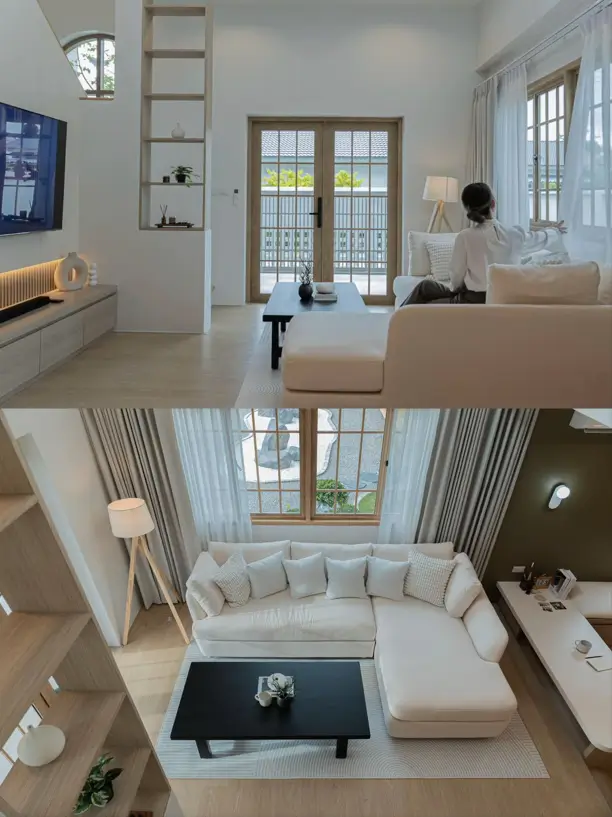
- Start with Subtraction (Kanso): The first step is always decluttering. This is the core of Kanso. Remove items that do not serve a purpose or bring you joy to create open, restful spaces.
- Embrace Natural Textures: Introduce materials that are tactile and imperfect. Think of linen textiles, a simple stone or ceramic vase, bamboo blinds, or a light-wood-framed mirror.
- Adopt an Earthy Palette: Ground your space in the colors of nature. Use a base of white, beige, or soft grey. Introduce black as a sharp accent, and use warm woods and green plants for warmth.
- Incorporate Mindful Greenery: You do not need an entire forest. A single, beautifully-placed plant, like a bonsai, a simple bamboo stalk, or a thoughtfully composed ikebana-style arrangement, can bring Shizen (nature) indoors.
A Note on the Japanese Interior
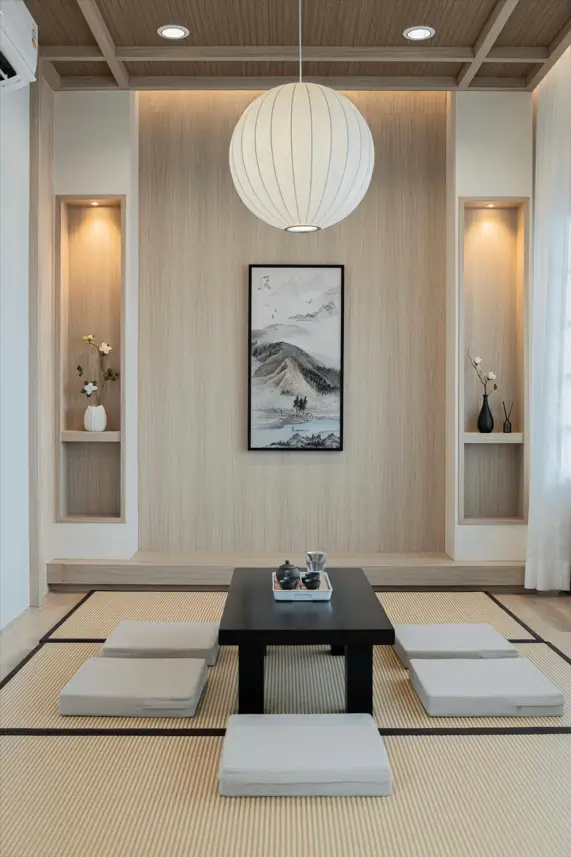
The principles of the exterior flow seamlessly inside. The goal is to create multi-functional, open spaces that feel connected to the outdoors. Key traditional elements include the genkan (a dedicated entryway for removing shoes), fusuma (opaque sliding doors for closets or walls), and shoji screens (translucent paper-and-wood dividers that slide to reconfigure a room and diffuse light).
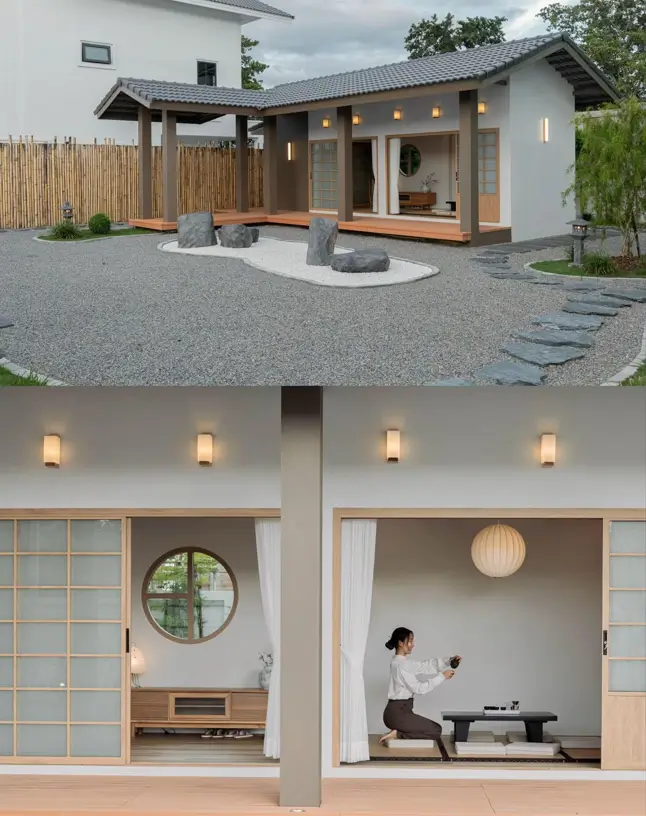
Tatami mats provide a natural, comfortable flooring, while low-profile furniture helps maintain an open line of sight, making the space feel larger and more grounded—perfect for a serene and tranquil retreat. This philosophy extends to every room, from the calm, serene kitchen and peaceful bathroom oasis to the tranquil living room.
FAQs
What is the difference between traditional and modern Japanese design?
Traditional design (minka, machiya) uses dark timber, shoji screens, and tiled roofs. A Japanese style house modern interpretation reinterprets these core principles with a minimalist lens, favoring clean lines, large glass, and concrete.
Can I apply Japanese design principles to a small house?
Yes, the philosophy is ideal for small spaces. The core principle of Kanso (simplicity) and eliminating clutter creates a sense of openness. A neutral palette and large windows also make a small home feel larger.
What is the color palette for a Japanese style house?
The color palette is drawn from nature. It is anchored in neutrals (white, beige, grey, black) and warmed by natural wood. Green is added through plants, but bright, saturated colors are avoided in this minimalist aesthetic.
What is Shou Sugi Ban (Yakisugi)?
Shou Sugi Ban (Yakisugi) is the traditional Japanese art of charring wood. This process makes cedar weatherproof and pest-resistant, and it is prized on a modern Japanese house exterior for its stunning black finish.
Is Japanese style house design expensive?
The style prioritizes high-quality materials and craftsmanship over quantity, not necessarily high cost. The Kanso (simplicity) principle means investing in fewer, better, and more essential pieces, which is a sustainable approach.